
Introduction
Agriculture is a vital part of Nigeria’s economy, providing food, employment, and income for millions of people. It supports the livelihoods of many rural families and contributes significantly to national economic growth. However, the sector is increasingly affected by climate change. Rising temperatures, unpredictable rainfall, droughts, floods, and other extreme weather events are reducing agricultural productivity and threatening food security. Understanding these impacts is essential for developing effective solutions that will ensure sustainable agricultural development.
What Is Climate Change?
Climate change refers to long-term shifts in global and regional weather patterns. Although natural factors can influence the climate, human activities such as deforestation, industrialization, and the burning of fossil fuels have greatly increased greenhouse gas emissions. These emissions trap heat in the atmosphere, leading to global warming and changes in rainfall, temperature, and weather conditions.
Effects of Climate Change on Nigerian Agriculture
- Lower Agricultural Output
Irregular rainfall and increasing temperatures have disrupted farming activities across Nigeria. Delayed rainfall, shorter growing seasons, and prolonged dry periods make it difficult for crops to develop properly, resulting in lower yields. Staple crops such as maize, rice, cassava, millet, and sorghum are especially vulnerable.
- More Frequent Droughts and Floods
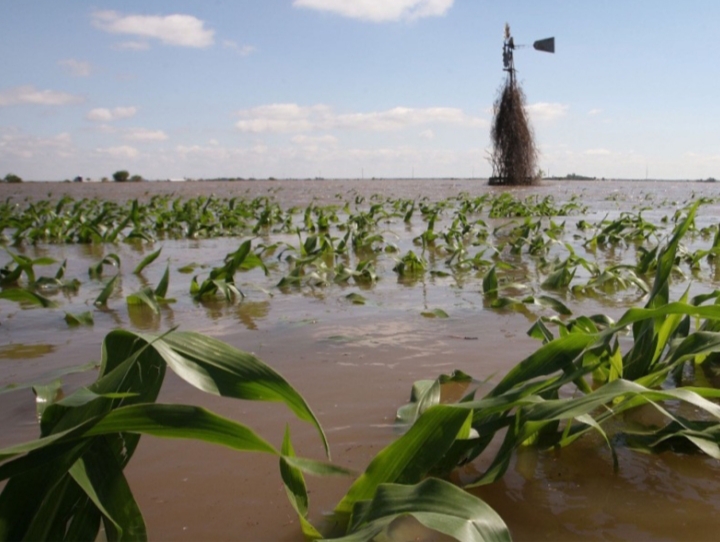
Climate change has increased the occurrence of extreme weather events. Northern Nigeria often experiences prolonged drought, reducing water availability for crops and livestock. Meanwhile, heavy rainfall and flooding in southern and coastal regions destroy farmland, damage crops, and displace farming communities.
- Soil Degradation
Intense rainfall contributes to soil erosion and the loss of valuable nutrients needed for crop production. At the same time, high temperatures increase evaporation, reducing soil moisture and making it harder for plants to grow successfully.
- Effects on Livestock
Livestock farmers also face serious challenges due to climate change. High temperatures can cause heat stress in animals, reducing their growth, fertility, and milk production. In addition, shrinking grazing lands and limited water supplies affect animal health and productivity.
- Increased Spread of Pests and Diseases
Changing climatic conditions encourage the spread of crop pests and livestock diseases. Warmer temperatures create favorable environments for insects and disease-causing organisms, leading to greater crop losses and higher production costs for farmers.
- Decline in Fish Production
Climate change also affects Nigeria’s fisheries. Rising water temperatures, flooding, and changes in aquatic ecosystems interfere with fish breeding and survival. As a result, fish farmers and fishing communities often experience reduced harvests and lower incomes.
Economic and Social Impacts
The effects of climate change on agriculture have wider consequences for society. Reduced food production contributes to higher food prices, increased poverty, lower household incomes, and greater food insecurity. Many rural families become more vulnerable to hunger and unemployment, while some people migrate in search of better living conditions.
Measures to Reduce the Impact
Several strategies can help farmers adapt to climate change and strengthen agricultural productivity. These include:
Practicing climate-smart agriculture.
Planting drought-tolerant and early-maturing crop varieties.
Expanding irrigation to reduce dependence on rainfall.
Promoting tree planting and preventing deforestation.
Conserving soil and water resources.
Providing farmers with extension services and climate information.
Investing in agricultural research and improved weather forecasting.
Implementing government policies that encourage sustainable farming and environmental protection.
Conclusion
Climate change is having a significant impact on agriculture in Nigeria by reducing crop production, affecting livestock and fisheries, degrading soil quality, and increasing the spread of pests and diseases. These challenges threaten food security and the livelihoods of millions of Nigerians. However, by adopting modern farming techniques, improving environmental management, and strengthening government support, Nigeria can build a more resilient agricultural sector that is better prepared to cope with the effects of climate change.