
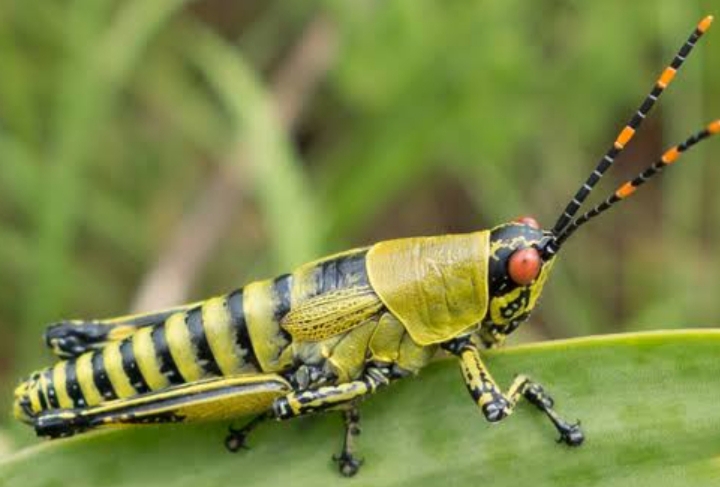
Grasshoppers are common crop pests that can seriously damage maize, particularly during the early stages of growth. They feed on young leaves and shoots, weakening plants and reducing their ability to produce a good harvest.
Fortunately, you don’t need expensive pesticides to manage them. Several low-cost methods can help discourage grasshoppers and reduce crop losses when used together.
Why Grasshoppers Target Maize
Young maize plants produce tender leaves that are easy for grasshoppers to eat. During hot, dry periods, these insects often become more active, especially when wild vegetation is limited.
Seedlings are the most vulnerable, making early protection essential.
Remove Grasshoppers Manually
If you’re growing maize on a small plot or in a home garden, hand-picking grasshoppers is an effective and inexpensive solution.
Visit your field early in the morning when the insects are slower because of the cooler temperatures. Collect them by hand and dispose of them in a bucket of soapy water.
Although this method takes time, it can greatly reduce the number of pests before they multiply.
Control Weeds Around the Field
Weeds and tall grasses provide shelter for grasshoppers and create ideal places for them to lay eggs.
Keeping the field clean helps to:
Eliminate hiding places
Reduce breeding sites
Improve crop monitoring
Support healthier maize growth
Don’t forget to clear vegetation around field borders as well.
Encourage Natural Predators
Nature provides several allies that feed on grasshoppers.
Helpful predators include:
Chickens
Ducks
Guinea fowl
Wild birds
Frogs
Lizards
Spiders
Where practical, allowing poultry to forage in the area before planting or after harvest may help reduce grasshopper numbers.
Spray Neem-Based Products
Neem is a popular natural pest control option that can discourage grasshoppers from feeding and interfere with their development.
Apply the spray thoroughly, especially when young grasshoppers first appear. Repeat treatments as needed, particularly after heavy rain.
Try a Homemade Garlic and Chilli Spray
Some growers prepare a simple mixture of garlic, chilli peppers, water, and a small amount of mild soap as a natural grasshopper repellent.
Although research on its effectiveness is limited, many gardeners report reduced feeding after repeated applications. Before spraying the entire crop, test the mixture on a few plants to ensure it doesn’t damage the leaves.
Protect Young Maize Plants
Grasshopper damage is usually most severe when maize is still developing.
Inspect seedlings regularly and deal with infestations as soon as you notice chewing damage. Early action often prevents much larger outbreaks later in the season.
Reduce Egg-Laying Sites
Grasshoppers often lay eggs in undisturbed soil and grassy areas surrounding fields.
To limit future infestations:
Mow long grass around the farm.
Remove leftover crop residues.
Control weeds along field edges.
Cultivate suitable areas to disturb egg masses.
These practices can help reduce the number of grasshoppers emerging in the following season.
Inspect Crops Frequently
Regular monitoring allows you to spot problems before serious damage occurs.
Look for signs such as:
Ragged or chewed leaves
Missing leaf tissue
Groups of young grasshoppers
Fresh feeding damage on seedlings
Frequent inspections make pest control easier and more effective.
Combine Different Control Methods
No single technique provides complete protection. Better results are achieved by combining several affordable strategies.
An effective management plan may include:
Regular weed control
Hand removal of grasshoppers
Neem-based sprays
Encouraging natural predators
Reducing breeding habitats
Routine crop inspections
Using these methods together provides more reliable long-term control than relying on just one approach.
Conclusion
Grasshopper damage can be reduced without spending a lot of money on chemical pesticides. Simple practices such as keeping fields clean, encouraging natural predators, using neem products, and monitoring crops regularly can make a significant difference.
By taking action early and using several low-cost deterrents together, farmers can protect young maize plants, minimise pest damage, and improve their chances of producing a healthy, productive harvest.