
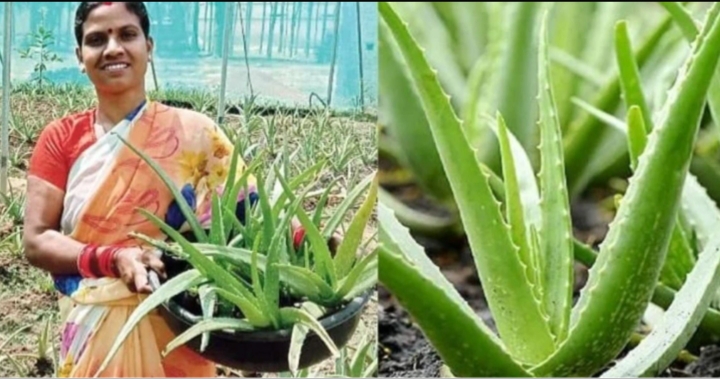
The beauty and skincare industry is experiencing increasing demand for natural, plant-based ingredients as consumers become more interested in sustainable and gentle products. Aloe vera has become a popular ingredient among cosmetic companies because of its moisturising, calming, and skin-supporting qualities. This rising demand presents a valuable opportunity for farmers who can produce and supply high-quality aloe vera to beauty and personal care manufacturers.
Why Cosmetics Companies Need Aloe Vera
Aloe vera is a key ingredient in many cosmetic and personal care products, including:
- Face creams and moisturisers
- Aloe gels and soothing treatments
- After-sun care products
- Hair treatments
- Body care products
- Anti-ageing skincare formulas
The natural gel found inside aloe vera leaves contains beneficial compounds that help improve hydration and provide a soothing effect. Cosmetic manufacturers rely on dependable suppliers who can deliver quality raw materials with consistent standards.
Establishing an Aloe Vera Farm
Creating a successful aloe vera farm requires careful planning, from choosing the right growing conditions to using healthy planting materials.
Choosing Suitable Land
Aloe vera thrives in warm environments with good sunlight exposure. It grows well in areas with low to moderate rainfall because it can tolerate dry conditions. However, fields with poor drainage should be avoided, as excess water can cause root problems.
Selecting Healthy Plants
Aloe vera is commonly grown from young shoots produced by mature plants. Farmers should choose strong, healthy, and disease-free seedlings to establish a productive farm.
Preparing the Growing Area
The plant performs best in loose, well-drained soil such as sandy or loamy soil. Adding compost or other organic materials can improve soil fertility and encourage healthier growth.
Producing Quality Aloe Vera for Cosmetic Use
Cosmetic companies often require premium-quality ingredients, so proper cultivation methods are important.
Key farming practices include:
- Providing adequate spacing between plants
- Managing weeds effectively
- Protecting plants from pests and diseases
- Reducing unnecessary chemical use
- Handling leaves carefully during harvest
Farmers who use organic or environmentally friendly methods may attract brands that prioritise natural and sustainable ingredients.
Harvesting Aloe Vera for the Beauty Industry
Aloe vera leaves should be harvested when they are mature and contain a high concentration of gel. Careful harvesting helps protect the plant and preserve the quality of the raw material.
After harvesting, leaves should be processed or delivered quickly because the active components in aloe vera can lose quality if stored improperly for long periods.
Creating Partnerships with Cosmetic Manufacturers
Successful aloe vera farming depends not only on cultivation but also on finding reliable markets. Farmers should understand the expectations of cosmetic companies, which may include:
- Regular supply of quality aloe vera
- Proper handling and storage
- Sustainable production methods
- Traceability of farming practices
- Compliance with industry requirements
Building relationships with skincare brands, ingredient suppliers, and natural product manufacturers can create long-term business opportunities.
Expanding Through Value Addition
Farmers can increase their earnings by moving beyond selling fresh aloe vera leaves. Possible value-added products include:
- Processed aloe vera gel
- Aloe vera powder
- Botanical extracts
- Cosmetic-grade raw materials
Processing allows farmers to access more markets and potentially increase profitability.
Challenges of Aloe Vera Production
Although aloe vera farming has strong potential, farmers may face challenges such as:
- Limited access to established buyers
- Maintaining consistent product quality
- Transportation and storage issues
- Competition from other suppliers
- Meeting cosmetic industry standards
Good planning, market research, and reliable production systems can help address these obstacles.
The Growth Potential of Aloe Vera Farming
As more consumers choose natural skincare products, the demand for botanical ingredients like aloe vera continues to grow. Farmers who focus on quality, sustainability, and dependable supply can become important partners in the cosmetics industry.
Conclusion
Aloe vera cultivation offers farmers an opportunity to participate in the expanding natural beauty market. By producing high-quality crops, adopting responsible farming practices, and developing strong relationships with cosmetic companies, aloe vera growers can create a sustainable agricultural business connected to the global skincare industry.