
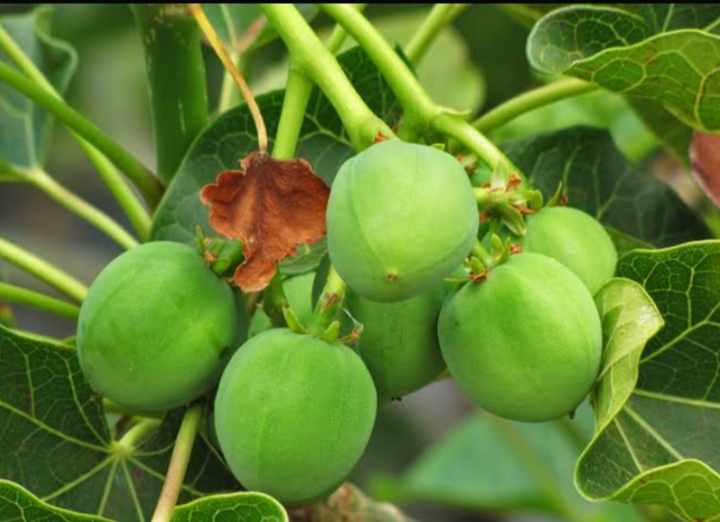
The search for cleaner energy sources and sustainable alternatives to traditional fuels has increased global interest in biofuel crops. Jatropha is one plant that has gained attention because its seeds contain oil that can be converted into biodiesel. In addition to its role in renewable energy, jatropha has potential uses across several industries, making it an interesting crop for farmers, investors, and manufacturers.
Understanding Jatropha
Jatropha is a hardy shrub known for producing oil-bearing seeds. The oil extracted from these seeds can be processed into biodiesel, which can serve as a renewable substitute for petroleum-based diesel.
One of the reasons jatropha has attracted attention is its ability to grow in dry conditions and on less productive land where some food crops may struggle. This makes it a potential option for regions seeking renewable energy sources without placing additional pressure on agricultural land used for food production.
Jatropha’s Role in Biofuel Production
The primary commercial interest in jatropha comes from its use as a source of biodiesel. After extraction and processing, the seed oil can be used to produce fuel for vehicles, farm equipment, generators, and other diesel-powered systems.
Potential advantages of jatropha-based biodiesel include:
- Providing a renewable fuel alternative
- Reducing reliance on fossil fuels
- Supporting cleaner energy initiatives
- Creating new income opportunities for rural communities
- Encouraging local energy production
As governments and industries continue exploring sustainable energy solutions, jatropha remains a crop with potential in the renewable fuel sector.
Industrial Uses of Jatropha
Beyond energy production, jatropha oil and its by-products can be used in various industrial applications.
Personal Care and Soap Manufacturing
Jatropha oil may be incorporated into certain soap and cosmetic products because of its oil-based properties, making it useful as a natural ingredient in some formulations.
Environmentally Friendly Lubricants
Processed jatropha oil can be developed into biodegradable lubricants that may be suitable for machinery and industrial equipment.
Organic Fertiliser Production
The leftover material from seed processing can be converted into fertiliser after proper treatment. This can help return nutrients to the soil and create additional value from the crop.
Bio-Based Industrial Materials
Jatropha oil can also serve as a renewable raw material for producing products such as coatings, chemicals, and other industrial compounds.
Establishing a Jatropha Farm
Farmers considering jatropha cultivation should evaluate important production factors.
Suitable Growing Conditions
Jatropha prefers warm climates with plenty of sunlight and can withstand periods of limited rainfall. Well-drained soil is important for healthy plant development.
Farm Management Requirements
Good production practices include:
- Using healthy planting materials
- Maintaining proper plant spacing
- Managing weeds effectively
- Monitoring pests and diseases
- Harvesting seeds at the right time
Although jatropha is naturally resilient, careful management is needed to achieve better productivity.
Challenges in Jatropha Farming
Despite its promise, commercial jatropha production has experienced some difficulties, including:
- Inconsistent yields in certain growing areas
- Limited access to reliable markets
- High setup and processing costs
- Need for specialised extraction facilities
- Competition from other renewable energy options
To succeed, jatropha projects require careful planning, suitable locations, efficient production methods, and strong market connections.
The Future Potential of Jatropha
As demand for renewable fuels and sustainable industrial materials continues to grow, jatropha may become an important crop in selected regions. Advances in breeding, farming methods, and processing technology could improve its economic value.
For agricultural producers and industries, jatropha represents more than a source of biodiesel it offers possibilities for renewable energy, rural development, and bio-based manufacturing.
Conclusion
Jatropha is a multifunctional crop with potential applications in biodiesel production and industrial manufacturing. Although challenges remain, its ability to produce valuable oil and survive in challenging environments makes it a promising option for sustainable agriculture and renewable resource development.