
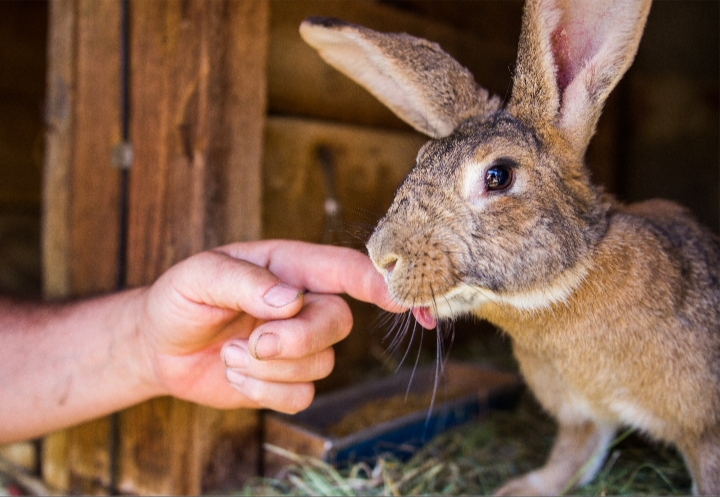
Raising rabbits can be a profitable and enjoyable agricultural venture. Rabbits require relatively little space, reproduce quickly, grow rapidly, and can provide meat, manure, and breeding stock. To succeed, however, farmers need to pay attention to housing, feeding, breeding, hygiene, health, and proper management.
Selecting Healthy Rabbits
The quality of the breeding animals has a major effect on the success of a rabbit farm. When purchasing rabbits, select animals that appear healthy, active, and well developed.
A good breeding rabbit should have clear eyes, a healthy coat, strong legs, a good body structure, and a normal appetite. Avoid animals that appear weak, sick, underdeveloped, or have unusual physical characteristics.
Providing Suitable Housing
Rabbits need a safe, clean, dry, and well-ventilated environment. Their cages or hutches should protect them from rain, predators, excessive heat, and strong winds.
Each rabbit should have enough space to move, rest, feed, and stretch comfortably. The floor should also be designed to reduce contact with waste while preventing injuries to the animals’ feet.
Regular cleaning is essential. Remove droppings and leftover feed frequently, wash feeding and drinking equipment, and clean the housing thoroughly when necessary.
In hot areas, farmers should pay particular attention to ventilation and shade because excessive heat can seriously affect rabbits.
Feeding Rabbits Properly
Good nutrition is necessary for healthy growth, reproduction, and disease resistance. Rabbits need a diet containing sufficient fiber, energy, protein, vitamins, and minerals.
Depending on local availability, suitable feeds can include quality hay, dried grass, safe fresh forage, rabbit pellets, and appropriate leafy vegetables. New feeds should be introduced gradually to prevent digestive problems.
Fresh, clean water should always be available. Water is especially important for pregnant and nursing females and during periods of hot weather.
Breeding Rabbits
Rabbits reproduce quickly, but breeding should be carefully controlled. The adult male is known as a buck, while the adult female is called a doe.
When a doe is ready to mate, she is usually taken to the buck’s enclosure. After mating, she should be removed and returned to her own housing.
Only healthy, properly developed rabbits should be used for breeding. Farmers should also avoid breeding animals that are sick, underweight, or too young.
Keeping breeding records is important. Information such as mating dates, parents, litter sizes, birth dates, and weaning dates can help farmers manage reproduction and reduce the risk of excessive inbreeding.
Caring for Pregnant Does
Rabbit pregnancy usually lasts approximately one month. Before the doe gives birth, she should be provided with a clean nesting box and suitable dry nesting material.
As birth approaches, the doe normally prepares the nest by pulling some of her own fur and mixing it with the nesting material. The farmer should ensure that the nest remains dry, warm, and protected.
During pregnancy, the doe needs adequate food, clean water, and a calm environment. Unnecessary handling or disturbance should be minimized.
Caring for Newborn Kits
Newborn rabbits, called kits, are very small and vulnerable. They are born blind and depend entirely on their mother during their early days.
After birth, the nest should be checked carefully to ensure that the kits are warm and safe. Dead kits and heavily soiled nesting material should be removed when necessary.
As the kits grow, they gradually leave the nest and begin eating solid food. They should be given suitable feed and access to clean water as they become more independent.
When the young rabbits are sufficiently developed, they can be separated from their mother. The appropriate weaning age can vary depending on the breed and farming system.
Maintaining Cleanliness
Good sanitation is essential for preventing disease and keeping rabbits comfortable. Dirty and overcrowded cages can increase stress and create conditions that encourage illness.
Farmers should regularly:
- Remove manure and dirty bedding.
- Clean feeders and drinkers.
- Keep feed protected from moisture and contamination.
- Separate sick animals from healthy ones.
- Clean and disinfect cages when appropriate.
- Control rodents, flies, and other pests.
Avoiding overcrowding is also important because it reduces stress and limits the spread of infections.
Monitoring Rabbit Health
Farmers should observe their rabbits every day. Changes in appetite, behavior, breathing, appearance, or droppings can be early signs of illness.
Warning signs may include diarrhea, loss of appetite, difficulty breathing, persistent sneezing, abnormal eye or nose discharge, weight loss, weakness, or skin problems.
A sick rabbit should be separated from healthy animals and examined by a veterinarian or qualified animal-health professional. Medicines should not be administered without appropriate professional advice.
Newly purchased rabbits should also be kept separate from the existing group for an appropriate period before they are introduced.
Managing the Breeding Herd
Farmers should regularly evaluate their breeding animals. Rabbits that consistently grow well, reproduce successfully, produce healthy young, and remain healthy are generally better candidates for continued breeding.
Animals that repeatedly produce poor litters, fail to care for their young, suffer from recurring health problems, or have poor reproductive performance may need to be replaced.
Proper breeding records can help farmers avoid mating closely related animals and maintain a healthier herd.
Keeping Accurate Records
Record keeping makes rabbit production easier to manage and evaluate. Farmers should record information such as:
- Rabbit identification
- Breed
- Date of birth
- Parents
- Mating dates
- Birth dates
- Number of kits born
- Number of kits that survive
- Weaning dates
- Health problems and treatments
- Growth and production results
These records make it easier to identify productive animals and determine which rabbits should remain in the breeding program.
Selling Rabbits and Making a Profit
Before starting or expanding a rabbit farm, farmers should identify potential buyers and understand the local market. Rabbits may be sold for meat, breeding purposes, as young stock, or for other permitted products such as manure.
Profitability depends on several factors, including feed expenses, housing costs, mortality, reproduction rates, labor, and market prices.
For beginners, starting with a small number of rabbits is often a practical approach. As knowledge, experience, and the customer base increase, the farm can gradually be expanded.
Conclusion
Successful rabbit farming requires proper planning and consistent care. Farmers need to provide healthy breeding animals, suitable housing, nutritious feed, clean water, good sanitation, careful breeding management, and prompt attention to health problems.
With proper management and responsible animal care, raising rabbits can provide a useful source of food and income. Starting small, keeping good records, learning continuously, and expanding gradually can help farmers build a sustainable rabbit enterprise.