
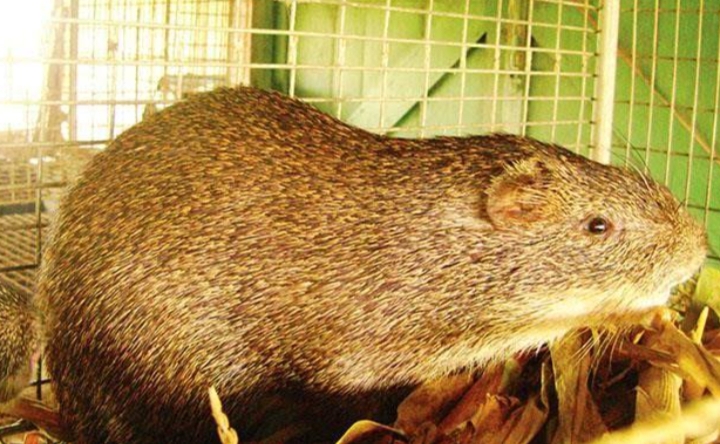
Grasscutter farming is gaining attention as an alternative livestock business for people interested in raising animals on a small or medium scale. In Nigeria, grasscutters can be kept in relatively small spaces and raised using grasses, forage, and other appropriate feed materials.
However, starting a grasscutter farm does not automatically guarantee profit. The amount you spend on breeding stock, housing, feeding, healthcare, labour, and marketing will determine how much money you eventually make.
For this reason, anyone considering the business should prepare a realistic budget rather than depend on promises of quick returns.
How Much Money Is Needed to Start?
The amount required to establish a grasscutter farm varies depending on the size of the operation, location, housing system, cost of animals, and whether you already have land or equipment.
A beginner could consider starting with a small breeding group, such as one male and four females. Some Nigerian agricultural business guides have placed small-scale startup costs in the range of about ₦100,000 to ₦250,000, although actual prices can be considerably different today.
A more cautious planning budget might look like this:
| Expense | Possible Budget |
|---|---|
| Breeding animals | ₦50,000–₦100,000+ |
| Cages or housing | ₦50,000–₦100,000+ |
| Feed and forage | ₦30,000–₦60,000+ |
| Feeders and drinkers | ₦10,000–₦20,000 |
| Health and sanitation | ₦10,000–₦20,000 |
| Transport and other expenses | ₦10,000–₦30,000 |
| Estimated starting range | ₦160,000–₦330,000+ |
These are only planning figures. Prices for animals, construction materials, feed, and equipment vary by location and over time, so it is important to obtain current quotations before investing.
How Many Grasscutters Should You Start With?
Starting with a small number of animals can be a sensible strategy for a new farmer. It allows you to gain practical experience without putting too much capital at risk.
A small breeding unit could consist of one male and several females. Farmers with more experience and sufficient capital may begin with multiple colonies.
The important point is to choose a herd size that you can comfortably manage. Buying more animals than your finances can support may create problems with feeding, housing, disease control, and marketing.
Understanding Grasscutter Reproduction
One of the reasons grasscutter farming attracts farmers is their ability to reproduce in captivity.
However, reproduction rates should not be exaggerated when preparing a business plan. Research on captive grasscutters has recorded gestation periods of roughly five months and litter sizes that can vary considerably.
The number of offspring produced and eventually sold will depend on factors such as the health and age of the breeding animals, nutrition, management, fertility, and survival of the young.
Therefore, use conservative estimates when calculating your expected income.
Feeding Grasscutters
Grasscutters are herbivorous animals, and suitable grasses and other forage can form an important part of their diet. Depending on the production system, farmers may also provide supplementary feed and other appropriate agricultural materials.
The availability of inexpensive forage can help reduce feed expenses. However, feeding is not completely free. Someone still has to obtain, transport, prepare, and provide the forage.
A proper feeding budget should therefore include both purchased feed and the cost of sourcing locally available forage.
Estimating One-Year Profit
To understand the potential economics, consider a simple example involving four breeding females and one male.
Suppose the four females collectively produce 24 saleable young animals during the year.
If each animal is sold for an assumed ₦10,000, total sales would be:
24 × ₦10,000 = ₦240,000
Now imagine that annual operating expenses are approximately:
- Feed and forage: ₦50,000
- Healthcare and sanitation: ₦15,000
- Labour and miscellaneous expenses: ₦20,000
Total operating expenses would be:
₦85,000
The estimated operating surplus would then be:
₦240,000 − ₦85,000 = ₦155,000
This is only an example for understanding the calculation. It should not be interpreted as a guaranteed profit.
It also excludes major startup expenses such as buying the breeding animals and constructing the housing. Actual results could be significantly different depending on reproduction, mortality, feed costs, and selling prices.
What Can Affect Profit?
Several factors can determine whether your grasscutter business makes or loses money.
Cost of Breeding Stock
Healthy and productive breeding animals are essential. Buying very cheap animals without considering their health or breeding quality can create problems later.
Housing Expenses
Grasscutters need secure and hygienic housing. Poorly designed cages can increase the risk of injuries, escapes, stress, and health problems.
Feeding Costs
Although forage may be inexpensive in some areas, feed-related expenses can still become significant when labour and transportation are included.
Health Management
Disease and poor sanitation can reduce survival and increase expenses. Maintaining clean housing and seeking appropriate veterinary assistance when problems occur can help protect the herd.
Selling Price
Your revenue depends heavily on what buyers are willing to pay. Prices can vary according to location, animal size, demand, and the type of customer.
Finding a Market Before You Start
One of the biggest mistakes a new farmer can make is producing animals without knowing where they will be sold.
Before investing heavily, identify potential customers such as meat sellers, restaurants, individual consumers, traders, or other farmers looking for breeding stock.
Find out what buyers want, the quantities they purchase, and the prices they are currently offering.
Having a market plan can make it easier to sell your animals at the right time and avoid being forced to accept poor prices.
Ways to Improve Profitability
Good management can help reduce unnecessary expenses and improve returns.
Consider the following:
- Source suitable forage locally where possible.
- Keep accurate breeding and health records.
- Monitor young animals closely.
- Maintain clean and secure housing.
- Avoid overcrowding.
- Compare prices from different buyers.
- Sell breeding animals when there is demand for quality stock.
- Control avoidable feed and labour expenses.
- Increase your herd gradually rather than expanding too quickly.
Keeping records is particularly important because it allows you to see which parts of the farm are consuming the most money.
Is Grasscutter Farming a Good Business?
Grasscutter farming can provide an income opportunity, particularly for farmers who have access to suitable forage, adequate housing space, and a reliable market.
However, it should not be viewed as an automatic source of quick wealth. Poor breeding stock, high feed costs, animal losses, weak management, or low selling prices can quickly reduce profits.
For beginners, starting with a small number of colonies can be a practical way to learn the business. Once the production system becomes predictable and buyers have been identified, the farm can gradually be expanded.
Conclusion
Grasscutter farming can be started on a relatively small scale, but the actual investment required depends heavily on local prices and the size of the operation. A beginner may need roughly ₦160,000–₦330,000 or more for a modest setup, depending on current costs.
Calculating potential one-year profit requires more than estimating how many animals will be produced. You also need to account for feed, housing, health care, labour, mortality, breeding performance, and market prices.
The smartest approach is to create a farm budget using current prices in your area, begin with a manageable number of animals, keep detailed records, and expand only when the figures show that the business can support further growth.