
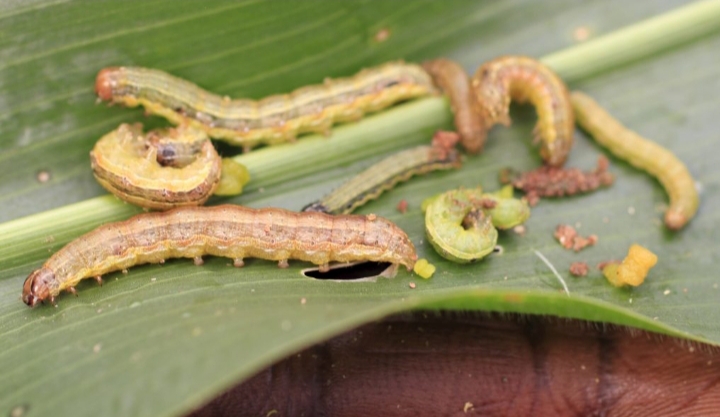
Fall armyworm is a major agricultural pest that attacks a wide range of crops, particularly maize, sorghum, rice, and millet. The caterpillars feed on leaves and developing plant tissues, often causing severe yield losses if left unchecked. Although synthetic pesticides are widely used, many growers are adopting organic control methods that are environmentally friendly and help preserve beneficial organisms.
Monitor Crops Regularly
The first step in effective organic management is frequent crop inspection. Farmers should look for egg clusters, young caterpillars, damaged leaves with irregular holes, and the presence of frass inside the plant whorl. Identifying infestations at an early stage allows for quicker intervention before the larvae become more destructive.
Protect Beneficial Insects
Natural enemies play an important role in keeping fall armyworm populations under control. Predators such as ants, spiders, ground beetles, lacewings, and birds, along with parasitic wasps, feed on the pest at different stages of its life cycle. Preserving these beneficial species by minimizing unnecessary pesticide use and maintaining field biodiversity can improve natural pest suppression.
Use Biological Control Products
Biological pesticides containing Bacillus thuringiensis (Bt) are widely recognized as one of the most effective organic treatments for young fall armyworm larvae. Other biological agents, including beneficial fungi and naturally occurring insect viruses, may also help reduce infestations where available. These products are generally safer for non-target organisms and fit well into organic farming systems.
Apply Plant-Based Solutions
Botanical products derived from neem are commonly used to reduce feeding and interfere with the development of young larvae. While neem-based treatments are not an instant solution, repeated applications during the early stages of infestation can improve control and reduce crop damage.
Adopt Good Farming Practices
Proper crop management can significantly lower the risk of severe infestations. Removing heavily infested plants, controlling weeds that serve as alternative hosts, rotating crops, and planting at the appropriate time all contribute to reducing pest pressure. Healthy crops supported by good soil fertility and adequate water are also better able to withstand insect damage.
Remove Pests by Hand
For small farms and home gardens, manually collecting and destroying egg masses and caterpillars remains an effective organic option. Although it requires time and effort, hand removal can greatly reduce pest numbers before they spread throughout the field.
Combine Different Control Methods
The best results are achieved by integrating several organic techniques rather than relying on a single solution. Regular monitoring, biological controls, botanical products, natural predators, and sound farming practices work together to provide more reliable and sustainable pest management.
Conclusion
Organic control of fall armyworm is most successful when action is taken early and multiple strategies are used together. By encouraging beneficial insects, using approved biological and botanical treatments, maintaining good crop management practices, and monitoring fields consistently, farmers can reduce crop losses while promoting a healthier and more sustainable farming environment.