
Dry periods can pose serious challenges for vegetable growers, particularly in areas where rainfall is limited or inconsistent. Without adequate water supply, crops may experience stress, leading to lower yields and reduced quality. However, by applying suitable irrigation techniques, farmers can sustain production and even boost profitability throughout the dry season.
- Know Your Crop’s Water Needs
Vegetables vary in their water requirements. Leafy crops such as lettuce and spinach need regular watering, while fruiting vegetables like tomatoes and peppers require steady moisture, especially during flowering and fruit development.
Several factors influence water demand:
- Soil type (sandy soils lose moisture quickly, while clay retains it longer)
- Temperature and wind conditions
- Stage of plant growth
- Size of the farm
Regularly checking soil moisture helps prevent both excessive and insufficient watering.
- Drip Irrigation
Drip irrigation is among the most water-efficient systems for dry-season farming. It supplies water directly to the root zone through a network of pipes and emitters, reducing waste.
Key advantages:
- Conserves water
- Limits weed growth
- Reduces evaporation
- Lowers disease risk
This system is ideal for crops like tomatoes, cucumbers, and peppers. Although installation costs may be higher initially, it saves money over time by reducing water use and labor.
- Sprinkler Systems
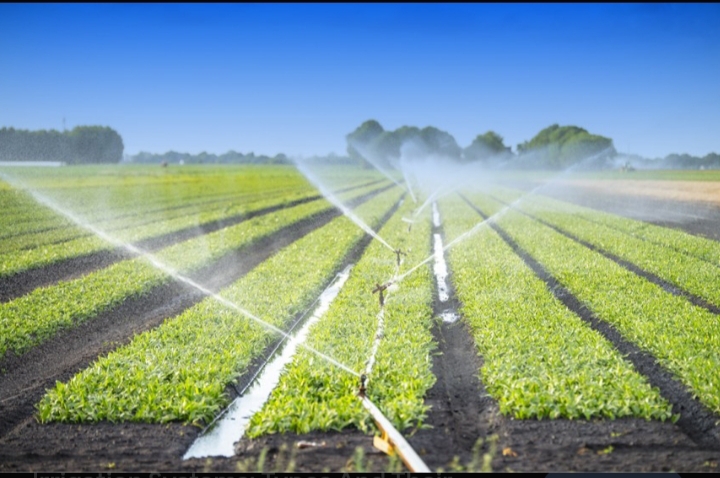
Sprinkler irrigation distributes water over crops in a manner similar to rainfall. It works well for larger farms and densely planted vegetables.
Benefits include:
- Wide area coverage
- Ease of operation
- Compatibility with different soil types
However, water loss through evaporation can be significant in hot or windy weather. To minimize this, irrigation should be done early in the morning or late in the evening.
- Furrow Irrigation
Furrow irrigation involves digging shallow trenches between rows and allowing water to flow through them.
Why farmers use it:
- Cost-effective
- Simple to set up
- Requires minimal equipment
Despite its affordability, poor management can result in uneven watering and water wastage.
- Hand Watering for Small Farms
Small-scale growers often rely on watering cans or hoses.
To improve results:
- Direct water to the base of plants
- Avoid soaking the leaves unnecessarily
- Use mulch to help retain moisture
While this method demands more labor, it can be practical for backyard gardens or small plots.
- Mulching to Preserve Moisture
Although not a direct irrigation method, mulching plays a major role in conserving soil moisture.
Common mulch materials:
- Straw
- Dry grass
- Wood chips
- Plastic sheets
Mulching helps reduce evaporation, suppress weeds, regulate soil temperature, and improve overall soil health. When combined with drip irrigation, it enhances water efficiency significantly.
- Securing a Reliable Water Source
Access to water is essential during dry months. Farmers should consider investing in:
- Wells or boreholes
- Storage tanks
- Ponds or small reservoirs
- Rainwater harvesting systems
Collecting and storing water during the rainy season ensures availability when it is most needed.
- Proper Irrigation Timing
When and how often you irrigate is just as important as the method used.
Best practices include:
- Watering early in the morning or late in the evening
- Avoiding irrigation during the hottest part of the day
- Checking soil moisture before watering
- Adjusting frequency according to crop growth stage
Too much water can cause root diseases and nutrient loss, while too little can reduce crop performance.
- Incorporating Modern Technology
Technological tools can help farmers manage water more effectively, such as:
1.Soil moisture sensors
2.Automated drip systems with timers
3.Mobile applications for irrigation planning
These innovations support smarter water use and reduce unnecessary waste.
Maintaining vegetable production during the dry season requires efficient and well-planned irrigation. Systems such as drip, sprinkler, and furrow irrigation can keep crops healthy and productive. When combined with mulching, proper scheduling, and dependable water storage, farmers can conserve water and achieve higher yields.
Choosing the right irrigation strategy not only safeguards crops but also promotes sustainable farming and improved income during dry periods.