
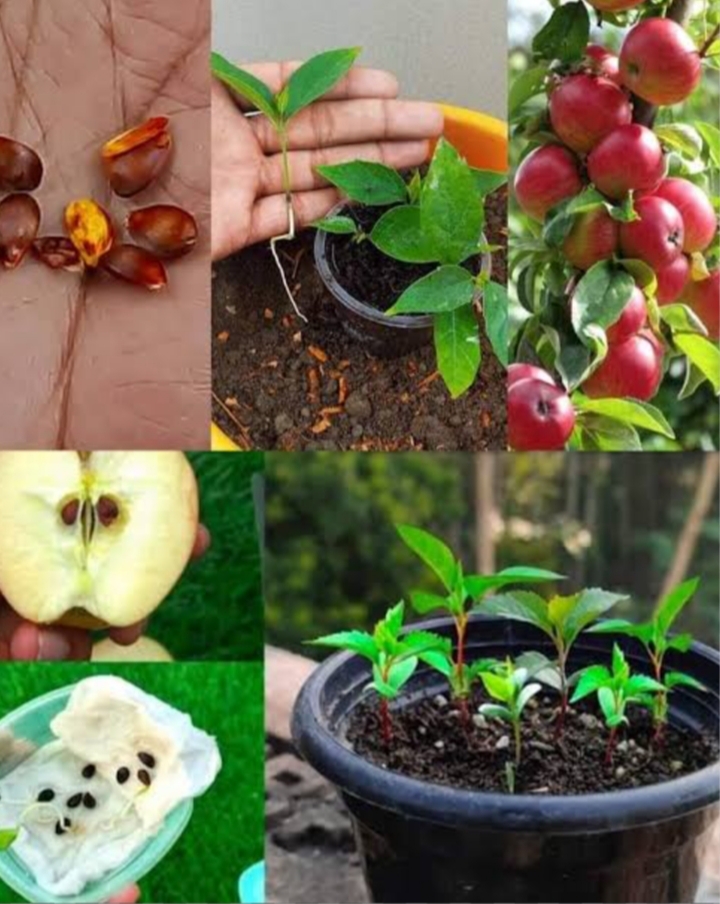
Although apples are typically grown in temperate climates such as those in Europe and North America, it’s possible to cultivate them in Nigeria with the right strategies. While Nigeria’s tropical weather can pose certain challenges, innovative techniques and careful management are making apple farming more feasible, particularly in highland regions.
- Understanding the Climate
Apple trees naturally thrive in cool climates with distinct seasons. However, Nigeria’s tropical climate can be a challenge for apple cultivation. Areas with cooler temperatures, like the highlands of northern Nigeria, including places such as Jos, are better suited for apple farming.
Key considerations:
Apple trees require a “chilling period” to properly break dormancy.
High temperatures can affect flowering and fruit development.
Excessive humidity may lead to fungal diseases.
If you are farming in southern Nigeria or in hotter regions, opt for adapted apple varieties and implement additional care practices.
- Choose the Right Apple Varieties
Since traditional apple varieties require prolonged cold weather, it’s essential to select low chill varieties that can grow well in warmer climates.
Some suitable varieties include:
- Anna
- Dorsett Golden
- Tropical Beauty
These varieties are known to perform well in tropical and subtropical regions around the world.
- Find the Ideal Location
Choosing the right site is crucial for successful apple farming.
Look for a location that:
- Has well draining soil
- Receives plenty of sunlight (around 6–8 hours per day)
- Is protected from strong winds
- Is slightly elevated, which helps with air circulation
If you live in southern Nigeria, you may want to experiment in higher-altitude areas or use strategies to create a microclimate favorable for apple growth.
- Soil Preparation and Planting
Apple trees prefer slightly acidic soil, with a pH of 6.0 to 6.5.
To prepare the soil:
1.Conduct a soil test to determine its suitability.
2.Add organic matter, such as compost or manure, to improve soil fertility.
3.Ensure proper drainage to prevent waterlogging, which can harm apple trees.
It’s better to plant grafted seedlings rather than starting from seed, as grafted trees typically produce fruit more quickly and are true to the variety.
- Watering and Irrigation
Given Nigeria’s dry seasons, managing water is vital for apple growth.
Water young trees consistently, especially during the flowering and fruit development stages.
Drip irrigation is ideal to conserve water and ensure steady moisture levels.
Apply mulch around the base of the trees to help retain soil moisture and keep the temperature stable.
Be careful not to overwater, as it can cause root rot and attract fungal diseases.
- Pruning and Training the Trees
Regular pruning is essential for:
- Improving airflow around the tree
- Allowing better sunlight penetration
- Encouraging more fruit production
Prune your apple trees annually to remove weak, damaged, or overcrowded branches. Opt for the open-center or modified central leader pruning methods, which work well in warmer climates.
- Managing Pests and Diseases
Apple trees are susceptible to various pests and diseases, such as:
- Aphids
- Fruit flies
- Fungal infections like powdery mildew
To control pests:
- Regularly inspect the trees for signs of damage.
- Use organic pesticides or natural methods when possible.
- Remove infected fruit immediately.
- Keep the orchard clean and free of fallen fruit.
- Implementing Integrated Pest Management (IPM) strategies can help control pest populations sustainably.
- Fertilization Tips
Apple trees are moderate feeders and need regular feeding to grow well.
You should:
- Apply organic compost or manure.
- Use balanced fertilizers like NPK (Nitrogen, Phosphorus, and Potassium).
- Apply nitrogen rich fertilizers during early growth stages to promote strong vegetative growth.
- Avoid over fertilizing with nitrogen, as it can lead to excessive leaf growth at the expense of fruit production.
- Start Small and Be Patient
Growing apples in Nigeria requires time and patience, so it’s best to start with a small experimental orchard before expanding. This will help you monitor results and adjust your approach over time.
You can also seek guidance from agricultural research institutes such as the National Horticultural Research Institute (NHRI) in Ibadan, which provides valuable insights into best practices and suitable apple varieties for Nigeria.
While cultivating apples in Nigeria is challenging, it is certainly possible with the right approach. By selecting the appropriate apple varieties, managing the soil, and using water and pest management techniques, farmers can grow apples successfully, particularly in areas like the Jos Plateau that offer a more favorable climate.
Patience, innovation, and careful attention to detail will be key as Nigeria explores this potentially lucrative crop. With persistence and knowledge, apple farming can become a viable agricultural endeavor in Nigeria.