
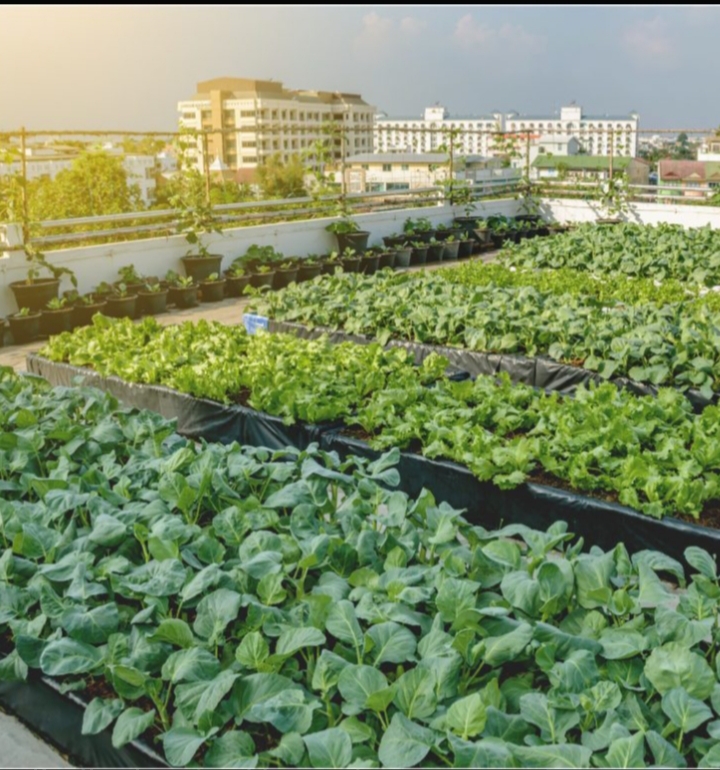
With rapid urbanization and decreasing availability of farmland, rooftop gardening is becoming an innovative and sustainable method of producing food in cities. By converting unused roof spaces into gardens, urban residents can grow fresh vegetables, fruits, and herbs while supporting food security and environmental protection.
Rooftop gardening refers to the practice of cultivating crops on the roofs of homes, offices, and other buildings. In many urban areas where farmland is scarce, this approach has gained attention as a practical solution for local food production. When properly managed, rooftop gardens can support the growth of crops such as tomatoes, lettuce, peppers, spinach, and various herbs.
One key advantage of rooftop gardening is that it improves access to fresh and nutritious food. Many city residents depend on food transported from rural areas, which can increase prices and reduce freshness. Producing food locally on rooftops shortens the supply chain, ensuring that people have access to healthier produce.
Rooftop gardens also offer environmental benefits. They help reduce the heat generated in densely built cities by cooling buildings and surrounding areas. Plants also improve air quality by absorbing carbon dioxide and releasing oxygen. In addition, these gardens help control rainwater by absorbing part of the rainfall, thereby reducing pressure on urban drainage systems.
Another benefit is the efficient use of space. In crowded cities where land is limited and expensive, rooftops often remain unused. Turning these spaces into gardens allows residents to utilize available areas for food production without needing additional land.
From a financial standpoint, rooftop gardening can help families save money on groceries. By growing their own vegetables and herbs, households can lower food expenses while enjoying fresh, pesticide free produce. In some situations, extra harvests can be sold in local markets, creating additional income opportunities.
However, rooftop gardening also presents some challenges. Not all buildings are designed to carry the extra weight of soil, containers, and water. Proper construction measures such as waterproofing, drainage systems, and lightweight planting materials are necessary to protect the structure of the building. Adequate sunlight and access to water are also essential for maintaining a successful rooftop garden.
Despite these challenges, rooftop gardening remains a promising solution for sustainable urban food production. With proper planning and support from governments and communities, rooftops can be transformed into productive green spaces that contribute to healthier cities and a more secure food future.