
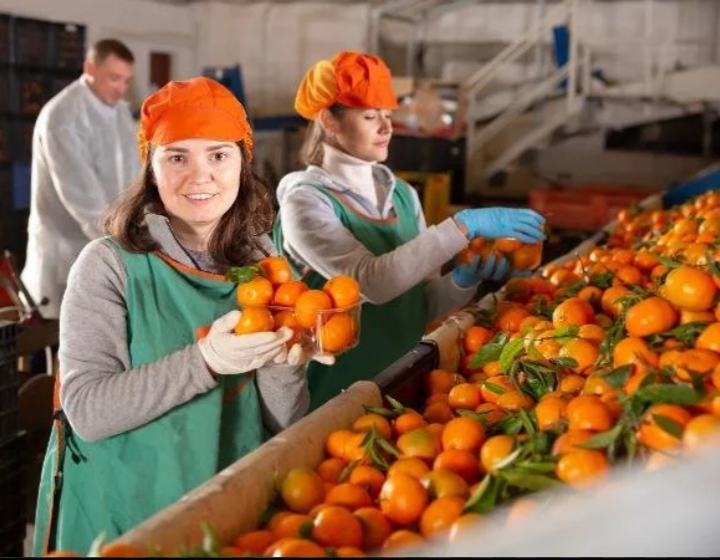
Post-harvest handling is a vital part of agriculture, particularly for small scale farmers who rely on the quality of their harvest for both income and household food supply. It involves the activities carried out after crops are harvested, such as cleaning, sorting, storing, packaging, and transporting them to markets. When these processes are properly managed, they help preserve the quality of produce, reduce losses, and improve the value of farm products.
One major difficulty faced by many small-scale farmers is post-harvest loss. Inadequate storage facilities, poor handling practices, and inefficient transportation often lead to spoilage, pest attacks, and physical damage to crops. Such losses can lower farmers’ earnings and reduce the amount of food available in markets. Adopting better post-harvest practices can greatly minimize these challenges.
Cleaning and sorting are among the first steps after harvesting. Farmers should carefully remove dirt, damaged produce, and unwanted materials from the harvested crops. Sorting and grading the produce according to size, ripeness, and quality can make it more appealing to buyers and may help farmers obtain better prices.
Storage is another important element of post-harvest management. Agricultural produce should be kept in clean, dry, and properly ventilated storage spaces to prevent spoilage and contamination. Grains like maize and rice can be stored in airtight containers or improved storage structures to protect them from pests and moisture. Highly perishable crops such as fruits and vegetables often require cooler storage conditions to remain fresh for longer periods.
Packaging is also essential in preserving the condition of farm produce. Using suitable packaging materials such as crates, baskets, or cartons helps prevent damage during handling and transportation. Proper packaging maintains the appearance and quality of crops while making them easier to move and sell.
Transportation is equally important in maintaining the quality of harvested crops. Produce should be moved promptly and handled carefully when being transported from farms to markets. Clean vehicles and proper loading methods can reduce the risk of bruising or crushing during transit.
Access to training and simple agricultural technologies can further improve post-harvest handling for small-scale farmers. Tools such as solar dryers, improved storage bags, and small cooling systems can help farmers preserve their crops longer and reduce waste.
Overall, proper post-harvest management is essential for small-scale farmers. By improving how crops are cleaned, sorted, stored, packaged, and transported, farmers can reduce losses, increase their income, and help ensure a stable supply of food in their communities.