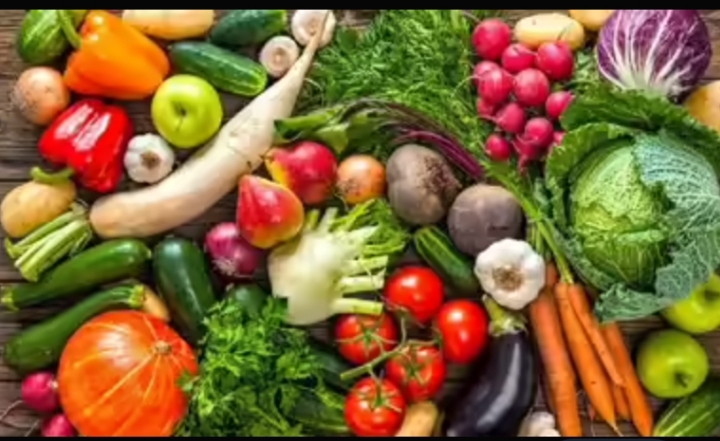
Fresh vegetables are a vital part of a healthy diet, but their perishable nature often leads to significant post-harvest losses. By applying value-adding techniques, farmers and processors can extend shelf life, enhance quality, and increase market appeal, ultimately boosting revenue and reducing waste. Value addition involves improving a product in ways that make it more attractive, convenient, or nutritious for consumers.
What is Value Addition?
Value addition refers to any process or method that enhances the market worth of a product. For fresh vegetables, this can mean improving their appearance, extending freshness, enhancing taste or nutritional content, or making them more convenient for consumers. Value added vegetables are generally more marketable and can command higher prices in retail and export markets.
Effective Value Adding Techniques
- Cleaning and Sorting
Proper washing removes dirt, chemicals, and bacteria, while sorting vegetables by size, color, and quality ensures a uniform appearance. Well cleaned and graded vegetables attract buyers and often sell at higher prices.
- Smart Packaging
Packaging protects vegetables and extends freshness. Options like vacuum sealing, modified atmosphere packaging (MAP), or biodegradable wraps help reduce spoilage. Transparent or labeled packaging can also make products more appealing to customers.
- Prepping and Cutting
Consumers value convenience. Pre-cut, peeled, or portioned vegetables save time and increase market demand. Ready-to-cook packs of sliced, diced, or shredded vegetables allow producers to charge premium prices.
- Blanching and Freezing
Blanching (briefly boiling or steaming) inactivates enzymes that cause spoilage. Freezing vegetables after blanching maintains color, texture, and nutrients, allowing them to reach distant markets without losing quality.
- Drying and Dehydration
Removing moisture through sun-drying, hot air drying, or freeze drying prevents microbial growth and extends shelf life. Dehydrated vegetables are easy to store, transport, and use in soups, snacks, and packaged foods.
- Pickling and Fermentation
Pickling and fermenting vegetables not only extend shelf life but also enhance flavor and nutrition. Fermented products contain probiotics, offering additional health benefits.
- Nutritional Enhancement
Fortifying vegetables with extra vitamins, minerals, or flavors can create unique, health focused products that appeal to modern consumers.
- Product Innovation
Turning fresh vegetables into ready to eat salads, vegetable mixes, soups, juices, and smoothies adds convenience and value. These products meet consumer demand for quick, nutritious, and tasty options.
Benefits of Value Addition
1.Extended Shelf Life: Minimizes spoilage and ensures more vegetables reach the market.
W.Higher Profit Margins: Processed and convenient products often sell at premium prices.
3.Market Expansion: Access to retail chains, restaurants, and export markets.
4.Consumer Convenience: Ready-to-use products save time and increase satisfaction.
5.Enhanced Nutrition: Fortification and processing can improve health benefits.
Value adding techniques transform fresh vegetables into products that are longer lasting, more convenient, and more attractive to consumers. From basic practices like cleaning and sorting to advanced methods such as freezing, drying, fermentation, and ready to eat product development, these strategies reduce post harvest losses and increase profitability. By integrating value addition into the supply chain, producers can meet consumer demand for healthy, convenient, and high quality vegetables while maximizing economic returns.