
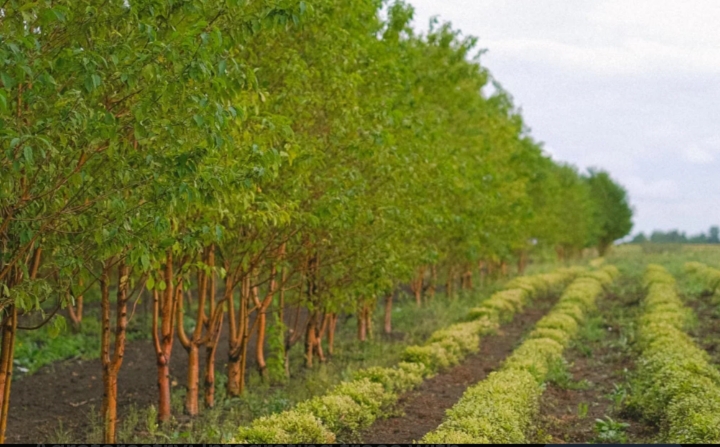
In Nigeria, agriculture is vital for livelihoods and food security. Recently, many farmers have embraced agroforestry a farming approach that integrates trees with crops and livestock to improve productivity, soil health, and environmental sustainability. By combining farming with forestry, Nigerian farmers are enjoying economic, ecological, and social benefits.
Understanding Agroforestry
Agroforestry involves deliberately growing trees alongside crops or animals. Unlike conventional farming that relies only on annual crops, this method creates multi layered systems where trees provide shade, nutrients, and additional products. Agroforestry helps farmers diversify income, reduce risks, and better cope with climate change.
Economic Advantages
1.Diversified Income
Trees produce fruits, nuts, timber, fuelwood, and medicinal products that supplement earnings from staple crops. Mangoes, cashews, and moringa grown alongside crops provide additional revenue and opportunities for value-added products.
2.Lower Input Costs
Some trees, such as nitrogen-fixing species like Gliricidia sepium and Acacia, naturally enrich the soil, reducing the need for chemical fertilizers and lowering production costs.
Environmental Benefits
1.Healthier Soil
Tree roots prevent erosion, improve water absorption, and increase organic matter. Fallen leaves add nutrients to the soil, boosting fertility for crops beneath.
2.Climate Resilience
Trees capture carbon and help reduce greenhouse gases. Their shade also protects crops and livestock from heat stress, improving yields despite changing weather conditions.
3.Biodiversity Support
Agroforestry provides habitats for birds, insects, and other beneficial organisms, which can aid in pollination and pest control, reducing the need for chemicals.
Social Benefits
1.Food Security
Trees and crops mature at different times, providing continuous harvests and reducing periods of food scarcity.
2.Resilience for Farmers
Trees protect the soil, retain moisture, and stabilize local microclimates, helping farmers better withstand droughts, floods, and other climate challenges.
Examples in Nigeria
1.Moringa Trees: Planted with maize or cassava, they enhance soil fertility and provide nutrient rich leaves.
2.Cashew and Cocoa Intercropping: Shade trees protect the soil and support higher cash crop yields.
3.Fodder Trees like Gliricidia: Improve soil quality and supply high-protein feed for livestock.
Challenges and Opportunities
Adoption of agroforestry in Nigeria is still limited by lack of awareness, poor access to quality seedlings, and insufficient technical support. However, government initiatives, NGOs, and agricultural extension programs are helping farmers adopt tree based systems through training, funding, and research.
Agroforestry is helping Nigerian farmers increase productivity, earn additional income, and protect the environment. By integrating trees into farmland, farmers improve soil fertility, support biodiversity, and strengthen resilience against climate change. Embracing agroforestry ensures more sustainable, profitable farms while safeguarding natural resources for future generations.