
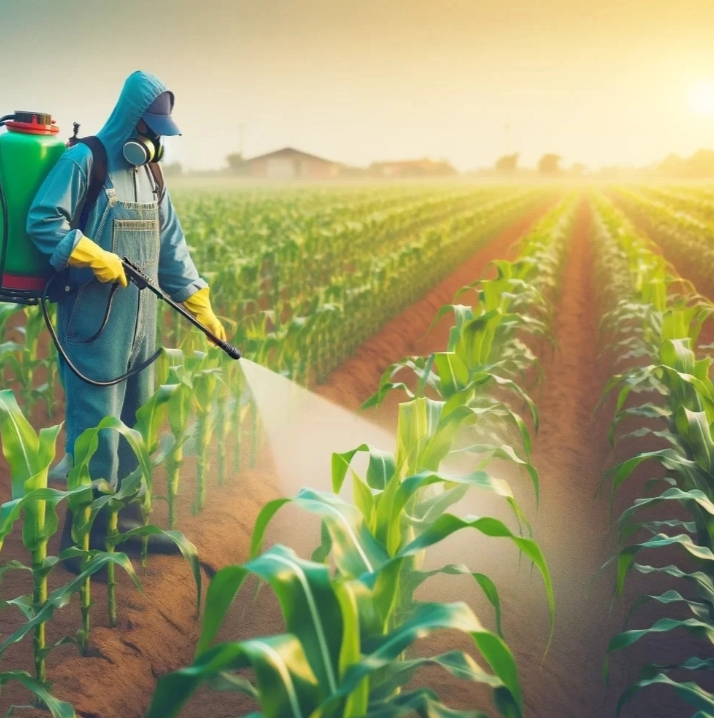
Pesticides are used in agriculture to control pests, diseases, and weeds, helping farmers protect crops and improve yields. They are mainly classified into biopesticides and chemical pesticides, each with different properties, advantages, and drawbacks. Knowing how they differ helps in choosing the most appropriate and sustainable option.
Biopesticides come from natural sources such as plants, microorganisms, and certain minerals. They include microbial products, plant extracts, and substances that affect pest growth or behavior. A common example is Bacillus thuringiensis, which targets specific insects while leaving most beneficial organisms unharmed. These pesticides are usually biodegradable and environmentally friendly, and they tend to act on specific pests rather than a wide range of organisms.
Chemical pesticides are man-made substances developed to control or eliminate pests. They include insecticides, herbicides, and fungicides, and are widely used because they act quickly and are highly effective. However, they often affect both harmful and beneficial organisms and may leave residues in the environment if not properly used.
In terms of effectiveness, chemical pesticides generally provide rapid results, making them useful when pest infestations are severe. Biopesticides usually act more slowly and may need repeated application, with their performance influenced by environmental conditions such as temperature and humidity.
From an environmental perspective, biopesticides are considered safer because they break down quickly and are less likely to pollute soil and water. They also help protect beneficial insects and maintain ecological balance. In contrast, chemical pesticides can persist in the environment and may cause harm to non-target species if overused.
Regarding human health, biopesticides are typically less toxic when applied correctly. Some chemical pesticides, however, can pose health risks if safety guidelines are not followed, which is why their use is strictly regulated.
Resistance is another important factor. Pests can develop resistance to chemical pesticides when they are used repeatedly, reducing their effectiveness over time. Biopesticides generally have a lower risk of resistance, although it can still occur in certain situations.
In terms of cost and accessibility, chemical pesticides are often cheaper and more widely available. Biopesticides may be more expensive and require careful storage, but they support long-term sustainability and environmental protection.
Both types play a role in modern agriculture. Biopesticides are key components of integrated pest management, which combines different strategies for safer pest control. Chemical pesticides remain important, especially for large-scale farming, but their use is increasingly managed to reduce negative effects.
In summary, biopesticides offer a more eco-friendly and targeted approach, while chemical pesticides provide fast and broad control. A balanced and responsible use of both is often the most effective way to manage pests while protecting health and the environment.