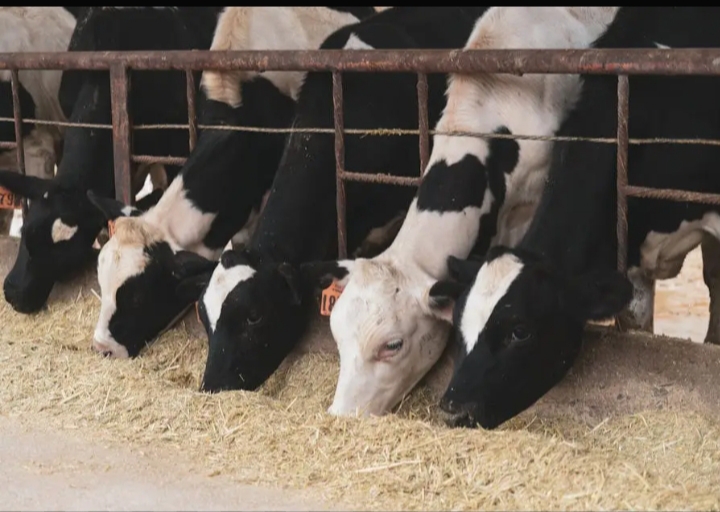
Good nutrition during pregnancy is essential for the proper development of unborn animals. What a mother eats directly influences the growth, strength, immunity, and survival rate of her offspring, as well as her recovery and productivity after giving birth.
Providing the right feed during this period helps prevent complications and ensures healthier newborns.
1. Offer a Well-Balanced Diet
Pregnant animals require more nutrients because they are supporting both themselves and the growing fetus.
Their diet should include:
- Energy-rich feeds
- High-quality protein
- Essential vitamins and minerals
- Constant access to clean water
A varied and balanced diet is better than relying on a single feed source.
2. Increase Protein Supply
Protein supports the development of tissues, muscles, and organs in the unborn young.
Good sources include:
- Soybean meal and other plant proteins
- Fish meal (where applicable)
- Formulated pregnancy or breeder feeds
Low protein intake can result in weak or underdeveloped offspring.
3. Provide Enough Energy
Energy is needed to sustain pregnancy and support fetal growth.
Common energy sources include:
- Grains such as maize, barley, or oats
- Concentrated feeds
- Root crops
However, excessive energy intake should be avoided as it may lead to obesity and delivery problems.
4. Supply Key Minerals
Minerals are important for skeletal development and overall health.
Important ones include:
- Calcium and phosphorus for bones
- Iron to prevent anemia
- Magnesium for nerve and muscle function
- Zinc and selenium for immunity
Mineral supplements or blocks are often useful for livestock.
5. Include Essential Vitamins
Vitamins support growth, immunity, and healthy development.
Key vitamins include:
- Vitamin A for organ development
- Vitamin D for strong bones
- Vitamin E for reproductive and immune health
- B-complex vitamins for metabolism
Deficiencies may lead to weak or unhealthy offspring.
6. Ensure Constant Access to Water
Water is crucial for digestion, nutrient transport, and fetal development.
Pregnant animals should always have:
- Clean drinking water
- Unrestricted access throughout the day
Lack of water can negatively affect pregnancy outcomes.
7. Avoid Underfeeding and Overfeeding
Both insufficient and excessive feeding can be harmful:
- Underfeeding may produce weak, low-birth-weight young
- Overfeeding can lead to obesity and difficult delivery
Feeding should match the stage of pregnancy.
8. Adjust Feeding by Pregnancy Stage
Nutritional needs change as pregnancy progresses:
- Early stage: maintenance level feeding
- Mid stage: steady growth support
- Late stage: higher nutrients for rapid fetal development
The final stage is the most critical for growth.
9. Use Clean and Safe Feed
Contaminated feed can cause serious problems such as:
- Miscarriages
- Weak offspring
- Reduced immunity
Feed should always be:
- Fresh
- Mold-free
- Properly stored
10. Reduce Stress and Maintain Good Care
Proper nutrition works best when combined with good management practices.
Pregnant animals should be kept:
- In clean and comfortable environments
- Away from overcrowding
- Protected from extreme weather
- Handled gently to avoid stress
Stress can negatively affect pregnancy outcomes even when feeding is correct.
Conclusion
Proper feeding during pregnancy is key to producing strong, healthy offspring. A balanced diet rich in nutrients, clean water, and good management practices ensures better fetal development, safer delivery, and healthier animals overall.