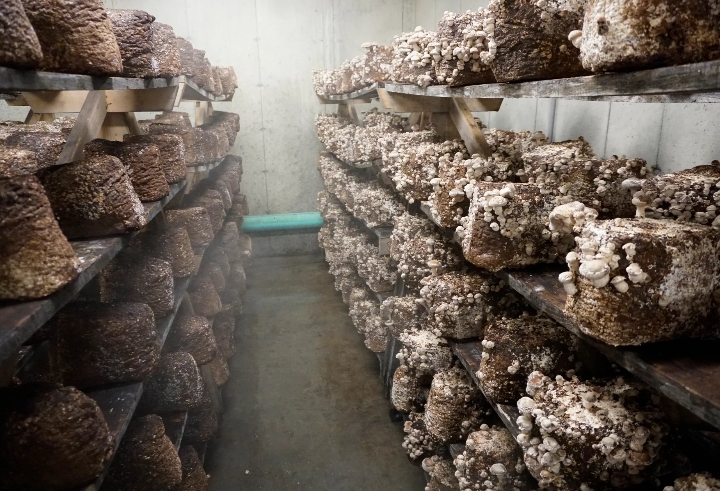
For anyone interested in farming but lacking outdoor space, mushroom cultivation provides an excellent alternative. Unlike many crops that require fields or gardens, mushrooms can be grown indoors with limited space, making them ideal for apartments, small homes, and urban environments.
With the right materials, suitable conditions, and proper techniques, it is possible to produce fresh mushrooms from the comfort of your room.
Why Indoor Mushroom Farming Is Gaining Popularity
Growing mushrooms at home has become increasingly attractive because it requires fewer resources compared with traditional farming. It is a convenient option for people who want to explore agriculture without owning farmland.
Some benefits of indoor mushroom cultivation include:
Minimal space requirements.
Low water consumption.
Ability to grow throughout the year.
Faster production compared with many crops.
Potential for both personal use and small-scale business.
For beginners, mushroom farming offers a simple way to learn about food production while making use of available indoor spaces.
Selecting the Best Mushroom Type
Choosing the right mushroom variety is an important first step. Some species are easier to grow indoors than others.
Oyster Mushrooms
Oyster mushrooms are often recommended for beginners because they grow quickly and can survive in different growing materials. They can be cultivated using substrates such as straw, sawdust, or other plant-based materials.
Button Mushrooms
Button mushrooms are popular worldwide but usually require more careful environmental control, including specific temperature and humidity conditions.
Shiitake Mushrooms
Shiitake mushrooms are highly valued for their taste and nutritional qualities. Although they may take longer to grow, they can be a rewarding option for more experienced growers.
Basic Materials Needed
Starting a small mushroom setup does not require a large investment. Common supplies include:
Mushroom spawn.
Growing medium such as straw, sawdust, or coffee waste.
Containers, trays, or growing bags.
A clean indoor growing area.
Spray bottle for maintaining moisture.
Good airflow and ventilation.
Using high-quality mushroom spawn is essential because it improves the chances of healthy growth and successful harvests.
Creating the Right Growing Conditions
Mushrooms have different needs from ordinary plants. They do not rely on sunlight to produce food, but they require a carefully managed environment.
Maintain Proper Moisture
Humidity is one of the most important factors in mushroom cultivation. The growing area should remain moist, and regular misting may be needed to prevent the mushrooms from drying out.
Control Temperature
Each mushroom species grows best within a certain temperature range. Keeping the environment suitable helps encourage faster growth and reduces problems.
Keep the Area Clean
Clean conditions are necessary because fungi and bacteria can contaminate the growing material. Proper hygiene improves the chances of producing healthy mushrooms.
Steps Involved in Growing Mushrooms
- Prepare the Growing Material
The substrate must be prepared and treated to remove unwanted organisms that could interfere with mushroom development.
- Introduce the Spawn
The mushroom spawn is added to the prepared substrate, allowing the mushroom network to begin spreading.
- Allow Growth Through the Substrate
During this period, the mushroom mycelium gradually takes over the growing material. Stable conditions and cleanliness are important.
- Support Mushroom Formation
Once the substrate is fully developed, environmental conditions are adjusted to encourage mushrooms to produce fruiting bodies.
- Collect the Harvest
When mushrooms reach the appropriate size, they can be carefully harvested and prepared for consumption or sale.
Challenges Beginners May Experience
Contamination
Mold and unwanted organisms can affect mushroom growth. Maintaining proper hygiene and using clean materials can help prevent this problem.
Poor Growth
Slow or weak growth may occur because of incorrect temperature, insufficient moisture, or poor-quality spawn.
Lack of Humidity
A dry environment can prevent mushrooms from developing properly. Regular monitoring of moisture levels is important.
Turning Mushroom Farming Into a Business
Indoor mushroom cultivation can grow beyond a hobby and become a source of income. Small-scale growers can supply fresh mushrooms to:
Restaurants.
Food vendors.
Local customers.
Health-conscious buyers.
Starting with small batches allows growers to gain experience before expanding production.
Tips for Better Results
To improve your chances of success:
Begin with easy-to-grow mushroom varieties.
Keep equipment and growing areas clean.
Check temperature and moisture regularly.
Avoid handling the growing material unnecessarily.
Record results from each growing cycle and improve over time.
Conclusion
Indoor mushroom farming provides an opportunity to grow food even without access to farmland. With a small amount of space, basic equipment, and proper attention to growing conditions, anyone can start producing mushrooms at home.
Whether your goal is fresh food for your family or a small business opportunity, growing mushrooms indoors is a practical and sustainable way to explore modern urban farming.