
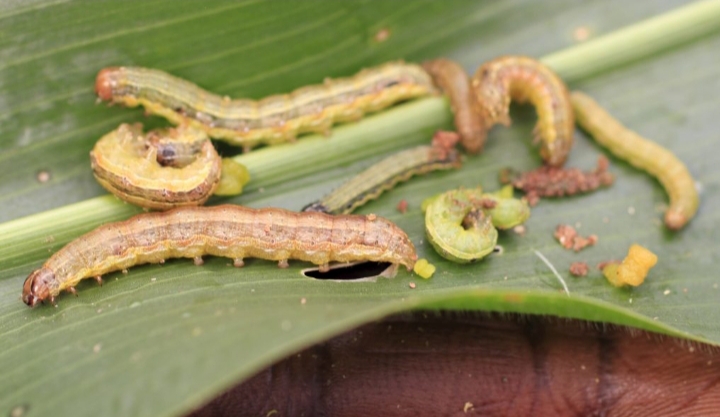
Fall armyworm is one of the most damaging crop pests, affecting maize, rice, sorghum, vegetables, and dozens of other plants. If not managed promptly, these caterpillars can destroy large portions of a crop by feeding on leaves, stems, and developing ears.
Fortunately, farmers and gardeners don’t have to rely solely on synthetic pesticides. Several organic methods can help keep fall armyworm populations under control while protecting beneficial insects and the surrounding environment.
Recognising Fall Armyworm Damage
The sooner you spot an infestation, the easier it is to manage.
Typical signs include:
Irregular holes in young leaves
Transparent or “windowpane” feeding marks
Large amounts of coarse droppings (frass) inside the plant whorl
Caterpillars hiding deep within folded leaves
Damage to ears, cobs, or fruits as larvae mature
Check crops regularly, especially during the early growth stages, as young larvae are much easier to control than older ones.
Remove Caterpillars by Hand
For small gardens or limited planting areas, hand removal is a practical and effective option.
Inspect plants frequently, collect any visible caterpillars, and dispose of them in a bucket of soapy water. Although this method requires time and effort, it can significantly reduce pest numbers before they spread.
Apply Bacillus thuringiensis (Bt)
Bacillus thuringiensis, commonly known as Bt, is a naturally occurring bacterium used in organic agriculture to control caterpillars.
For the best results:
Treat plants while larvae are still young.
Spray directly into the leaf whorl where the pests feed.
Repeat applications if heavy rain washes the product away.
Because larger caterpillars are less susceptible to Bt, early treatment is essential.
Use Neem-Based Treatments
Products made from neem seeds can help reduce feeding and interfere with the development of young armyworms.
Neem doesn’t provide instant control, but repeated applications during the early stages of an infestation can slow population growth and limit crop damage.
Protect Natural Enemies
Many beneficial organisms feed on fall armyworm and help keep outbreaks under control.
Useful predators include:
Ladybirds
Lacewings
Ground beetles
Spiders
Predatory ants
Birds
Tiny parasitic wasps also attack armyworm eggs and larvae, reducing the number of pests that reach adulthood.
Avoid unnecessary insecticide use to preserve these helpful species.
Consider Biological Pest Control
Organic growers can also use biological control products containing naturally occurring fungi, bacteria, or viruses that specifically target fall armyworm.
These products work best as part of an integrated pest management programme rather than as a standalone solution.
Practise Good Field Hygiene
Keeping fields clean reduces places where pests can survive and breed.
Helpful practices include:
Removing badly infested plants
Clearing crop residues after harvest
Controlling weeds that may host the pest
Rotating crops whenever possible
These steps help lower the risk of future infestations.
Inspect Crops Regularly
Routine scouting is one of the most valuable tools in organic pest management.
Examine crops at least once or twice a week, paying special attention to the growing point of young plants. Detecting larvae early makes treatment far more effective.
Grow Strong, Healthy Plants
Healthy crops are generally more resilient and better able to recover from insect damage.
Support plant growth by:
Using high-quality seed
Adding compost or well-decomposed manure
Maintaining proper plant spacing
Watering consistently during dry periods
Controlling weeds
Good crop management can reduce the overall impact of pest attacks.
Combine Several Control Methods
No single organic technique will eliminate fall armyworm on its own. The best results come from combining multiple approaches.
An effective strategy may include:
Frequent crop inspections
Hand-picking larvae
Applying Bt or neem products at the right time
Conserving beneficial insects
Maintaining clean fields
Practising crop rotation where appropriate
Using these methods together provides more reliable and sustainable control.
Mistakes That Reduce Success
Many infestations become severe because action is taken too late. Avoid these common mistakes:
Waiting until caterpillars are fully grown
Failing to spray inside the plant whorl
Depending on only one treatment
Destroying beneficial insects with unnecessary pesticide use
Neglecting regular crop monitoring
Early intervention is one of the most important factors in successful control.
Conclusion
Managing fall armyworm organically requires careful observation and consistent action, but it is entirely achievable. Techniques such as hand removal, Bt applications, neem-based products, biological control, and good field sanitation can greatly reduce pest populations without relying heavily on synthetic chemicals.
By combining these practices into an integrated pest management plan, farmers and gardeners can protect their crops, encourage beneficial insects, and promote healthier, more sustainable agricultural systems.