
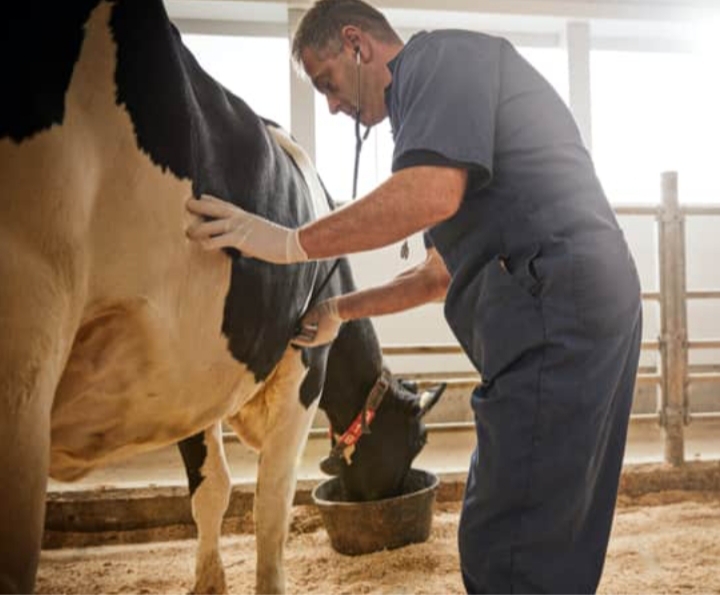
Dairy cattle farming is essential for producing milk and other dairy products that support global nutrition. Proper care of dairy cows is crucial for maintaining good health, maximizing milk output, and ensuring long-term productivity. Successful management focuses on nutrition, housing conditions, disease prevention, and overall animal welfare.
Basic Needs of Dairy Cattle
Dairy cows perform best when their essential needs are consistently met. Milk production depends on good feeding practices, a healthy environment, proper genetics, and effective management. When these factors are balanced, cattle remain productive and less prone to illness.
Balanced Feeding and Nutrition
Nutrition plays a major role in milk yield and quality. A properly planned diet ensures cows remain healthy and productive throughout their lactation cycle.
Important feeding practices include:
- Supplying quality forage like grass, hay, or silage
- Adding grains and protein supplements for energy
- Providing constant access to clean drinking water
- Including essential minerals and vitamins
- Adjusting feed based on production stage and condition
Lactating cows generally require higher nutrient intake than dry cows.
Access to Clean Water
Fresh water is vital for digestion, body functions, and milk production. Dairy cattle should always have access to clean water, especially during hot weather when their water consumption increases.
Suitable Housing Conditions
Good housing protects cattle from harsh weather and helps maintain a healthy environment.
Effective housing should provide:
- Proper airflow and ventilation
- Dry, comfortable resting spaces
- Protection from extreme weather conditions
- Efficient waste drainage systems
- Adequate space to prevent overcrowding
A well-maintained barn helps reduce stress and disease risk.
Animal Health Care
Maintaining herd health is essential for productive dairy farming. Preventive care and regular monitoring help identify problems early.
Key practices include:
- Scheduled vaccinations
- Routine deworming
- Regular veterinary checkups
- Observing cows for illness symptoms like reduced appetite or low milk output
- Immediate treatment of infections or injuries
Diseases such as mastitis should be controlled quickly to avoid production losses.
Proper Milking Procedures
Clean and careful milking practices are necessary to maintain milk quality and protect udder health.
Best practices include:
- Cleaning udders before milking
- Using properly sanitized equipment
- Maintaining consistent milking times
- Handling animals calmly and gently
- Checking milk for abnormalities
Good hygiene reduces contamination and infection risks.
Breeding Management
Effective reproduction practices ensure continuous milk production and herd sustainability.
Important considerations include:
- Detecting heat cycles accurately
- Recording breeding and calving dates
- Using high-quality genetics for improvement
- Seeking veterinary support during complications
Proper breeding management improves long-term farm productivity.
Calf Rearing
Calf care is vital because healthy calves become productive dairy cows in the future.
Key practices include:
- Feeding colostrum immediately after birth
- Providing clean and safe housing
- Following vaccination and deworming schedules
- Offering balanced nutrition during growth
- Monitoring health and development closely
Strong early care leads to a healthier herd.
Farm Hygiene and Cleanliness
Clean farm conditions are essential for preventing disease outbreaks and maintaining milk quality.
Good sanitation practices include:
- Regular cleaning of barns and equipment
- Proper disposal of manure
- Controlling pests and flies
- Keeping bedding dry and clean
- Disinfecting milking areas regularly
A hygienic environment supports better animal health.
Reducing Stress in Cattle
Stress can negatively affect milk production and overall health. It should be minimized through proper management.
Ways to reduce stress include:
- Providing shade and cooling systems
- Avoiding overcrowding
- Handling animals calmly
- Maintaining consistent routines
Importance of Record Keeping
Keeping accurate farm records helps improve decision-making and overall efficiency.
Useful records include:
- Milk production data
- Feeding schedules
- Health treatments and vaccinations
- Breeding and calving information
Good records help farmers monitor performance and plan effectively.
Conclusion
Effective dairy cattle care requires attention to feeding, housing, health management, and hygiene. When properly managed, dairy cows remain healthy and produce high-quality milk consistently. A well-organized approach to cattle care not only improves productivity but also ensures sustainable and profitable dairy farming over time.