Regenerative agriculture is a farming method that focuses on restoring soil health, improving biodiversity, conserving water, and strengthening the long-term resilience of farmland. Unlike conventional systems that often rely heavily on synthetic inputs and frequent soil disturbance, regenerative farming works with natural processes to rebuild ecosystems. On a 1-hectare plot (10,000 square meters), it can serve as both a productive food system and a way to gradually improve land quality over time.
What Can Be Done on 1 Hectare
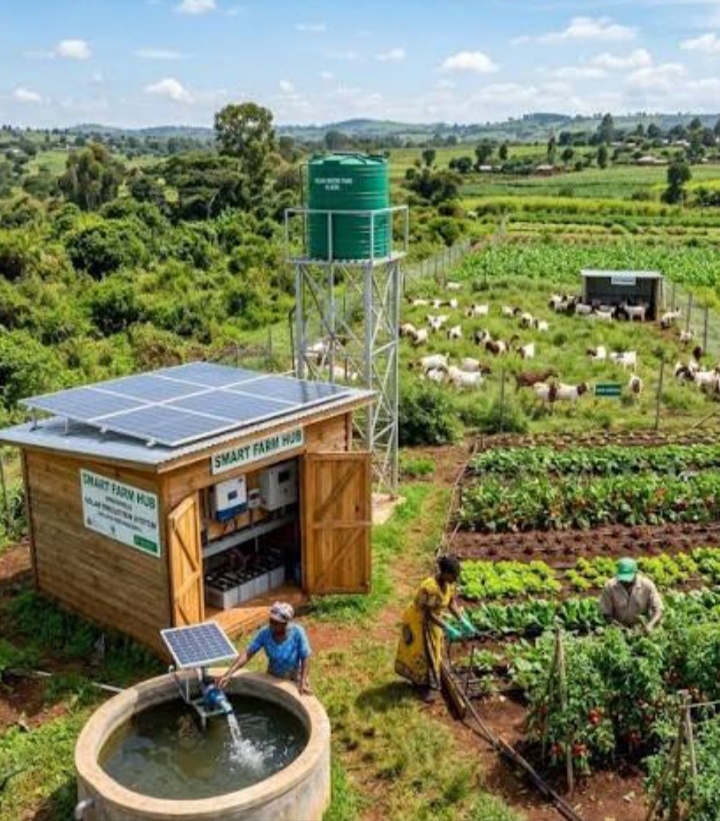
A single hectare can support a variety of integrated farming activities depending on design and resources. Instead of planting only one crop, regenerative systems typically combine multiple elements such as:
- Food crops like maize, millet, sorghum, and legumes
- Vegetable production including tomatoes, peppers, and leafy greens
- Trees such as fruit crops or nitrogen-fixing species like moringa
- Small livestock like chickens or goats that contribute manure and additional income
This combination helps improve soil fertility, reduce risks, and increase overall productivity.
Key Principles of Regenerative Farming
Reduced Soil Disturbance
Limiting ploughing or avoiding it entirely helps protect soil structure and supports beneficial microorganisms. Farmers often rely on mulching or direct planting methods instead.
Keeping Soil Covered
Soil is kept protected with crop residues, mulch, or cover crops to prevent erosion, reduce moisture loss, and support soil life.
Crop Rotation and Intercropping
Growing different crops in sequence or together helps maintain soil nutrients and reduces pest and disease pressure. For example, cereals can be grown alongside legumes.
Recycling Organic Materials
Farm waste, animal manure, and plant residues are composted and returned to the soil to improve fertility and reduce the need for chemical fertilizers.
Tree Integration
Including trees in farmland enhances soil quality, provides shade, prevents erosion, and creates additional income sources from fruits, fuelwood, or timber.
Livestock Integration
Animals can be incorporated into the system to provide manure, control weeds, and contribute to nutrient cycling when properly managed.
Example Land Allocation for 1 Hectare
A regenerative hectare can be organized in different ways, but a balanced example may include:
- 35–40% food crops
- 25% vegetables in rotating beds
- 20–25% agroforestry and boundary trees
- 10% livestock grazing or pens
- 5% infrastructure such as compost areas, water systems, and pathways
This structure is flexible and can be adjusted based on climate, market needs, and farmer preference.
Productivity Over Time
In the early stages, yields may be lower compared to conventional farming due to the transition of soil systems. However, as soil health improves, productivity often increases over several seasons.
Long-term benefits include:
- Lower dependence on external inputs
- Improved soil fertility and structure
- Better resilience to drought and climate stress
- More stable yields over time
The system can also generate multiple income streams from crops, animals, and trees within the same land area.
Challenges to Expect
Regenerative farming on a small scale comes with some difficulties, including:
- The need for careful planning and technical knowledge
- Higher labour demand during initial setup
- Slower financial returns at the beginning
- Limited access to training or extension services in some areas
- Market challenges for diversified farm products
Success depends largely on management quality and local conditions.
Importance of the Approach
This farming method is increasingly valued because it helps address soil degradation, climate change impacts, and declining agricultural productivity. On a 1-hectare farm, it provides a realistic pathway to sustainable food production while improving the land over time.
Conclusion
A well-managed regenerative farm on 1 hectare can become highly productive and environmentally sustainable. By combining crops, trees, livestock, and soil-building practices, farmers can create a resilient system that improves with time. Although it requires patience and knowledge, it offers a long-term alternative to farming systems that degrade soil and reduce productivity.