
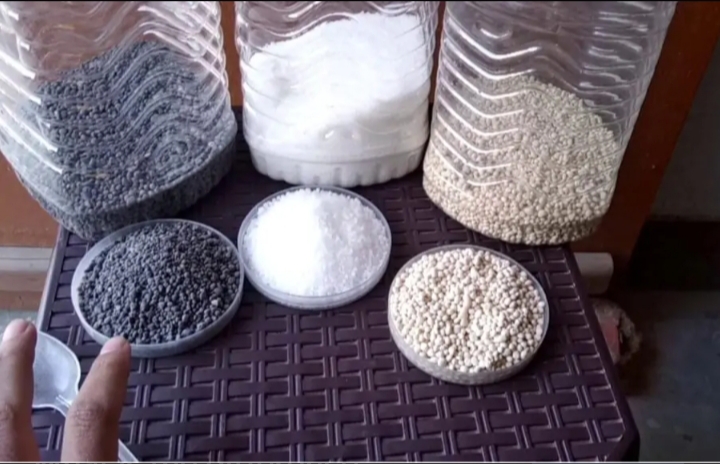
Urea and NPK fertilizers are essential nutrient sources for crop production, but each serves a distinct role in plant growth and development. Selecting the appropriate fertilizer depends on the crop’s nutrient requirements and stage of growth.
Urea is primarily a source of nitrogen, a nutrient that supports the development of healthy leaves and stems. It is most effective during the vegetative stage of crop growth, when plants require large amounts of nitrogen to build foliage and maintain a vibrant green color. Farmers often apply urea to correct nitrogen deficiencies and encourage rapid growth.
In contrast, NPK fertilizers provide a combination of three key nutrients: nitrogen, phosphorus, and potassium. This balanced nutrient supply promotes root establishment, flowering, fruit production, and overall plant vigor. As a result, NPK fertilizers are commonly used when crops need comprehensive nutritional support throughout their growth cycle.
Although urea is ideal for enhancing vegetative growth through nitrogen supplementation, NPK fertilizers offer a broader range of nutrients necessary for balanced crop development. The most effective choice depends on soil fertility, crop needs, and production goals, and in many cases, both fertilizers can be used together to achieve optimal yields.