
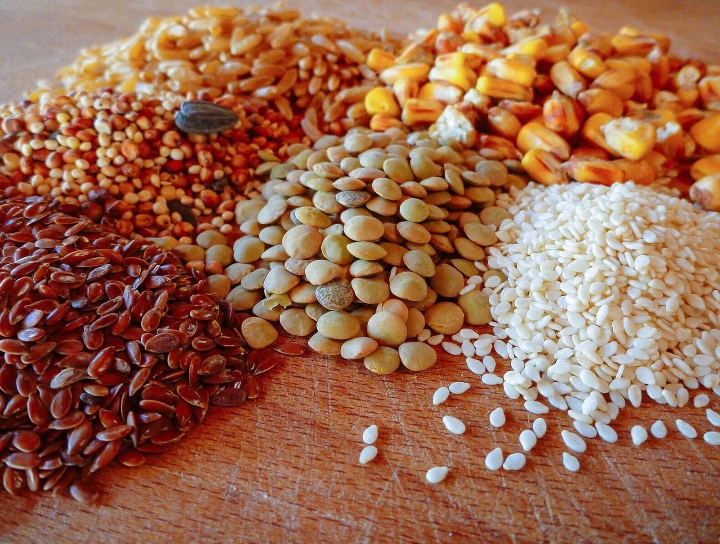
Formulating your own chicken feed can significantly reduce production costs and give you better control over the quality of what your birds eat. Whether you’re raising broilers or layers, understanding feed formulation helps you balance nutrition, improve growth rates, and increase egg production.
The key is not just mixing ingredients randomly, but combining energy sources, protein sources, vitamins, and minerals in the right proportions.
Understanding What Chickens Need
Before formulating feed, you need to understand the basic nutrients chickens require:
- Carbohydrates (Energy): For growth, movement, and body functions
- Protein: For muscle development, feather growth, and egg production
- Fats: Provide concentrated energy
- Vitamins & Minerals: Support immunity, bone strength, and productivity
- Water: Essential for digestion and nutrient absorption
Different birds need different nutrient levels depending on age and purpose (broiler or layer).
Common Feed Ingredients
Most homemade chicken feeds are made from locally available ingredients such as:
Energy Sources
- Maize (corn)
- Sorghum
- Wheat offal
Protein Sources
- Soybean meal
- Groundnut cake
- Fish meal
- Blood meal
Fiber & Fillers
- Rice bran
- Wheat bran
Minerals & Additives
- Bone meal
- Limestone (important for layers)
- Salt
- Premix (vitamins and minerals)
Example Feed Formulation (Broilers)
Starter Feed (0–4 weeks)
- Maize: 50%
- Soybean meal: 25%
- Groundnut cake: 10%
- Fish meal: 8%
- Wheat bran: 5%
- Bone meal: 1.5%
- Premix + salt: 0.5%
Grower Feed (4–8 weeks)
- Maize: 55%
- Soybean meal: 20%
- Groundnut cake: 10%
- Wheat bran: 10%
- Fish meal: 3%
- Bone meal + premix + salt: 2%
Example Feed Formulation (Layers)
Starter (0–6 weeks)
- Maize: 50%
- Soybean meal: 25%
- Groundnut cake: 10%
- Wheat bran: 10%
- Fish meal: 3%
- Premix + minerals: 2%
Layer Feed (from 18 weeks onward)
- Maize: 50%
- Soybean meal: 18%
- Wheat bran: 15%
- Groundnut cake: 10%
- Limestone: 5%
- Fish meal: 1–2%
- Premix + salt: 1–2%
(Limestone is very important for strong eggshells.)
Step-by-Step Process of Making Feed
1. Determine Your Goal
Decide whether you are feeding broilers (meat production) or layers (egg production).
2. Source Quality Ingredients
Always use clean, dry, and mold-free ingredients. Poor-quality inputs reduce performance and can harm birds.
3. Weigh Ingredients Accurately
Use a scale to ensure correct proportions. Guesswork leads to nutritional imbalance.
4. Mix Thoroughly
Start by mixing small quantities of additives (premix, salt), then combine with major ingredients.
5. Store Properly
Keep feed in a cool, dry place away from rodents and moisture.
Important Tips for Success
- Do not use spoiled or moldy grains (can cause disease)
- Always include vitamin-mineral premix
- Adjust feed formula based on ingredient availability and cost
- Ensure constant access to clean water
- Introduce feed changes gradually to avoid stress
Common Mistakes to Avoid
- Using too much protein (can be expensive and unnecessary)
- Ignoring calcium requirements for layers
- Poor mixing of ingredients
- Using untested or low-quality raw materials
- Changing feed too frequently without transition
Cost Advantage of Homemade Feed
One of the biggest benefits of formulating your own feed is cost control. Commercial feeds are convenient but often expensive. By buying raw materials in bulk and mixing them yourself, you can reduce production costs significantly while maintaining control over quality.
Final Thoughts
Formulating chicken feed is both a science and a practical skill. Once you understand the nutritional needs of your birds and learn how to balance ingredients properly, you can produce affordable, high-quality feed that supports better growth, stronger birds, and improved productivity.
With careful planning and consistency, homemade feed can become one of the most powerful ways to increase profitability in poultry farming.