
Introduction
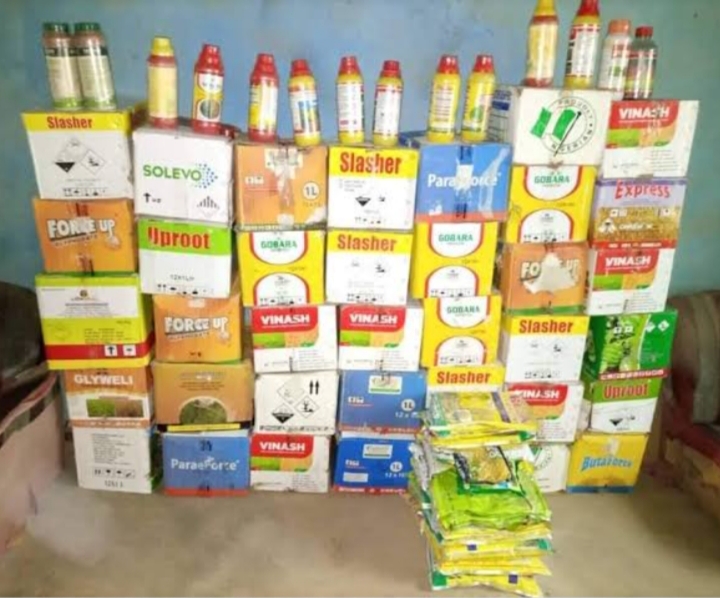
Counterfeit or low-quality agrochemicals including fertilizers, herbicides, insecticides, and fungicides pose a major threat to farming. They can lead to poor yields, financial loss, and even long-term damage to soil and crops. Learning how to recognize fake products helps farmers avoid these risks and protect their productivity.
1. Examine the Packaging
Genuine agrochemical products are usually well-packaged with clear, professional printing. Signs of fake products include:
- Faded, unclear, or poorly printed labels
- Spelling mistakes or incorrect information
- Tampered or poorly sealed containers
- Low-quality packaging materials
Authentic products typically maintain consistent and high packaging standards.
2. Confirm Registration Details
Legitimate agrochemicals are approved by relevant agricultural authorities. Always look for:
- Registration or certification numbers
- Official approval marks
- Clear batch and expiry details
If these are missing or suspicious, the product may not be reliable.
3. Review Label Information Carefully
A real product label should provide full and accurate details such as:
- Active ingredients and their concentrations
- Name and address of the manufacturer
- Usage instructions
- Safety guidelines
Fake products often contain incomplete or inconsistent labeling.
4. Purchase from Reliable Dealers
Where you buy agrochemicals matters a lot. To reduce risk:
- Buy only from licensed or certified agro-input suppliers
- Avoid unknown roadside vendors or informal sellers
- Choose reputable agricultural stores
Trusted dealers are more likely to sell genuine products.
5. Monitor Product Effectiveness
Fake agrochemicals often fail to perform as expected. Warning signs include:
- No reduction in pests or weeds after application
- Weak or delayed results
- Unusual damage to crops or soil
While results alone are not definitive proof, they can indicate a problem.
6. Compare Prices
Unusually low prices compared to market rates can signal counterfeit or diluted products. If the deal looks too cheap, caution is necessary.
7. Use Authentication Features
Some manufacturers include verification tools such as:
- QR codes or scratch-off security codes
- SMS verification systems
- Online product authentication portals
Using these tools helps confirm originality.
8. Recognize Common Fraud Practices
Fraudulent sellers may:
- Reuse or refill original containers
- Copy well-known brand designs
- Relabel expired chemicals
- Mix products with ineffective substances
Being aware of these tactics helps farmers avoid scams.
Conclusion
Spotting fake agrochemicals requires attention to detail, including packaging quality, labeling accuracy, pricing, and seller credibility. Buying from trusted sources and verifying products where possible can significantly reduce the risk of losses and ensure better farm productivity.