
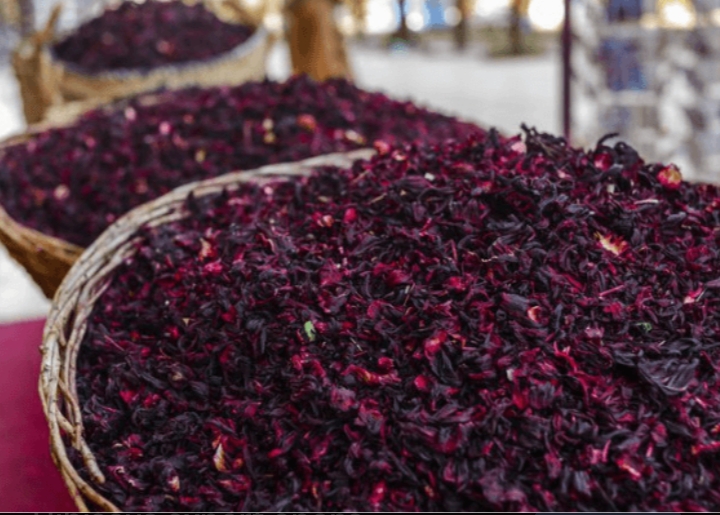
The hibiscus flower export business is becoming a growing source of income in many African countries, particularly in Nigeria, where hibiscus is widely cultivated. The dried petals of the flower are in high demand internationally because they are used in herbal drinks, food production, cosmetics, and medicinal products. As more people around the world choose natural and organic products, the market for hibiscus continues to expand.
Understanding Hibiscus
Hibiscus, popularly called “zobo” in Nigeria, is a flowering plant whose dried calyces are processed for local use and export. The flower is valued for its nutritional and medicinal properties and is commonly used in teas and health-related products.
Countries in Europe, Asia, North America, and the Middle East are among the major importers of hibiscus products.
Why the Business Is Profitable
One reason the hibiscus export business is profitable is the increasing global demand for herbal and natural products. Many consumers prefer healthy beverages and plant-based ingredients, creating a strong market for hibiscus flowers.
Nigeria also has an advantage as one of Africa’s major producers of hibiscus, allowing exporters to access the product at lower costs. When properly processed and packaged, hibiscus can generate good profits in international markets.
The flower is also useful in different industries, including:
- food and beverages
- cosmetics
- pharmaceuticals
- wellness and health products
What Is Needed to Start
Starting a hibiscus export business requires:
- dependable farmers or suppliers
- proper drying and storage methods
- export permits and necessary documentation
- understanding of international quality standards
- connections with foreign buyers or export agents
Exporters must ensure the product meets global safety and quality requirements to maintain customer trust and avoid product rejection.
Challenges of the Business
Although the business can be rewarding, it also comes with challenges. Poor handling or storage can damage the quality of the flowers. Changes in international prices and shipping costs may also reduce profits.
Exporters must also comply with strict international regulations related to packaging, hygiene, and product quality. For beginners, building relationships with foreign buyers may take time and effort.
Tips for Success
To succeed in the hibiscus export industry, maintaining high product quality is very important. Proper drying, sorting, and packaging help attract and retain international buyers.
Business owners should also study market trends, understand export procedures, and stay informed about global pricing. Joining export associations and participating in trade exhibitions can also help create valuable business connections.
Conclusion
The hibiscus flower export business provides a promising opportunity for entrepreneurs interested in agriculture and global trade. With the rising demand for natural products worldwide, exporting hibiscus can become a profitable long-term business when managed with proper planning, quality control, and market knowledge.