
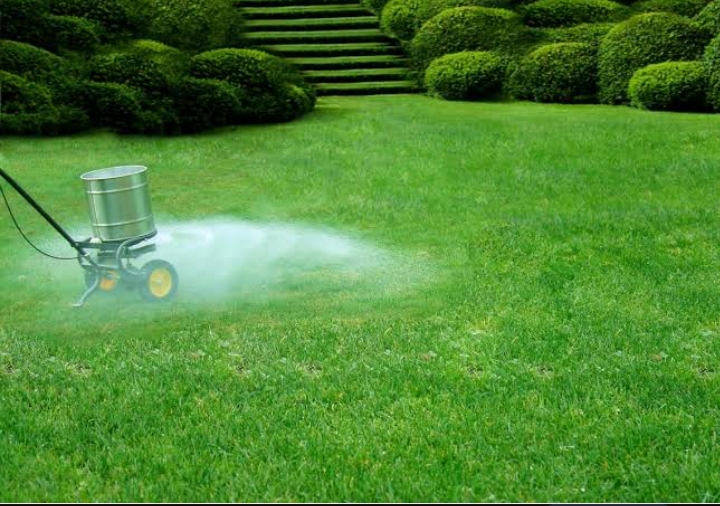
The success of any farming operation begins with healthy soil. Even when farmers apply quality seeds, fertilizers, and good management practices, crop yields may remain low if the soil is too acidic. One of the most effective ways to improve acidic soils is through the application of agricultural lime.
Understanding Agricultural Lime
Agricultural lime is a natural soil conditioner produced from crushed limestone. Its main purpose is to reduce soil acidity and create a more favorable environment for crop growth. Depending on its composition, lime can also supply important nutrients such as calcium and magnesium.
How Soil Becomes Acidic
Over time, many agricultural soils become acidic due to factors such as heavy rainfall, continuous cultivation, fertilizer application, and nutrient removal through harvested crops. As acidity increases, the soil’s ability to support healthy plant growth declines.
Highly acidic soils can:
- Limit the availability of key plant nutrients.
- Increase the concentration of toxic elements in the soil.
- Reduce the activity of beneficial soil organisms.
- Restrict root growth and nutrient uptake.
These conditions often result in weak crop performance and lower yields.
Benefits of Liming Agricultural Land
Corrects Soil Acidity
The primary role of lime is to neutralize excess acidity in the soil. A balanced soil pH allows crops to grow under more favorable conditions.
Improves Fertilizer Efficiency
Many nutrients become more available to plants when soil pH is within the optimal range. As a result, crops can make better use of applied fertilizers.
Supplies Valuable Nutrients
Agricultural lime provides calcium, which is important for plant structure and development. Some forms of lime also contain magnesium, another nutrient essential for healthy crop growth.
Encourages Strong Root Systems
A less acidic soil environment promotes deeper and healthier root development, allowing plants to access more water and nutrients.
Supports Beneficial Soil Life
Microorganisms that contribute to nutrient cycling and organic matter decomposition perform better in soils with suitable pH levels.
Enhances Crop Production
By improving overall soil conditions, liming can lead to healthier crops, better growth, and increased agricultural productivity.
Indicators That Your Soil May Need Lime
Several signs may suggest that liming is necessary:
- Soil test results show low pH values.
- Crops perform poorly despite adequate fertilization.
- Leguminous crops struggle to grow effectively.
- The land has been cultivated continuously for many years.
- Acid-loving weeds are becoming more common in the field.
The Importance of Soil Testing
Before applying lime, farmers should conduct a soil test. This provides accurate information on soil pH and determines the amount of lime required. Proper testing helps prevent waste and ensures effective soil management.
Tips for Effective Lime Application
- Apply lime well ahead of planting time.
- Distribute it evenly across the field.
- Mix it into the soil whenever possible.
- Follow recommended application rates.
- Monitor soil pH regularly through periodic testing.
Conclusion
Liming is a practical and proven method of improving soil health and crop performance. By reducing soil acidity, increasing nutrient availability, and creating favorable conditions for root growth and microbial activity, lime helps farmers unlock the full potential of their land. Regular soil testing and timely lime application can significantly contribute to sustainable and profitable crop production.