
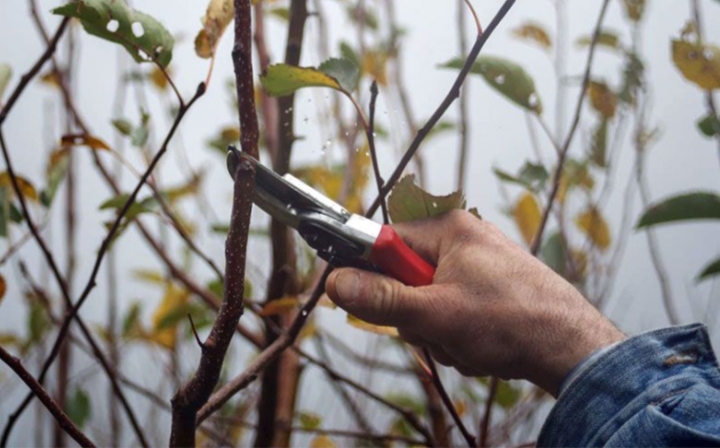
Pruning is a vital gardening practice that helps fruit trees stay healthy, productive, and well-shaped. By selectively removing unwanted branches, gardeners can improve airflow, increase sunlight exposure, and encourage the development of high-quality fruit. Proper pruning not only enhances the appearance of a tree but also supports its long-term growth and productivity.
Benefits of Pruning Fruit Trees
Regular pruning provides several advantages, such as:
- Promoting vigorous and healthy growth
- Improving air movement throughout the canopy
- Allowing better sunlight distribution
- Enhancing fruit quality and yield
- Reducing the risk of pests and diseases
- Maintaining an attractive and manageable structure
A properly maintained tree is more likely to produce abundant harvests year after year.
When to Prune
The ideal time to prune most fruit trees is during their dormant period, usually in late winter or early spring before new buds begin to develop. Pruning at this stage helps minimize stress and encourages healthy growth once the growing season starts.
In some cases, light pruning during summer may be useful for controlling excessive growth and removing unwanted shoots.
Essential Pruning Tools
Before beginning, ensure you have the appropriate equipment:
- Pruning shears for smaller branches
- Loppers for thicker limbs
- A pruning saw for larger cuts
- Protective gardening gloves
- Disinfectant for cleaning tools
Using clean and sharp tools helps make precise cuts and prevents the spread of disease.
Remove Dead and Diseased Branches
Start by identifying and removing branches that are dead, damaged, diseased, or broken. Eliminating these sections improves the overall health of the tree and helps prevent the spread of infections.
Address Crossing and Rubbing Branches
Branches that cross or rub against one another can create wounds that make the tree vulnerable to pests and diseases. Removing one of the conflicting branches helps maintain a healthier structure.
Thin Dense Areas
Overcrowded branches can limit airflow and sunlight penetration. Thinning the canopy allows light to reach the inner portions of the tree, creating better growing conditions and reducing the likelihood of fungal diseases.
Develop a Balanced Shape
Pruning should aim to create a strong and evenly distributed framework. Depending on the type of fruit tree, maintaining an open-center or central-leader form can improve stability and fruit production.
Eliminate Suckers and Water Sprouts
Suckers emerge from the roots or base of the trunk, while water sprouts grow rapidly from branches. These shoots often consume valuable nutrients and should be removed to direct the tree’s energy toward fruit development.
Control Excessive Branch Growth
Cut back overly long branches to maintain the desired size and shape of the tree. Pruning just above an outward-facing bud encourages growth away from the center, helping keep the canopy open and balanced.
Effective Pruning Practices
To achieve the best results:
- Make clean, smooth cuts.
- Cut at a slight angle when appropriate.
- Avoid leaving unnecessary branch stubs.
- Preserve the branch collar when removing limbs.
- Limit pruning to no more than one-third of the canopy in a single season.
- Sanitize tools when working with diseased branches.
These techniques promote faster healing and healthier growth.
Mistakes to Avoid
Common pruning errors include:
- Pruning at unsuitable times of the year
- Removing excessive amounts of growth
- Making rough or improper cuts
- Failing to remove diseased branches
- Using dull or unclean tools
Avoiding these mistakes helps ensure successful pruning outcomes.
Caring for the Tree After Pruning
After completing the pruning process:
- Clear away cut branches and debris.
- Inspect the tree regularly for pests and diseases.
- Provide adequate water when necessary.
- Follow appropriate fertilization practices.
- Monitor new growth throughout the season.
Proper post-pruning care supports recovery and encourages healthy development.
Conclusion
Pruning is an important aspect of fruit tree maintenance that contributes to healthier growth, improved fruit production, and a more attractive tree structure. By removing unwanted branches, increasing light exposure, and shaping the canopy, gardeners can help their fruit trees thrive. Consistent and careful pruning practices can lead to stronger trees and plentiful harvests for many years to come.