
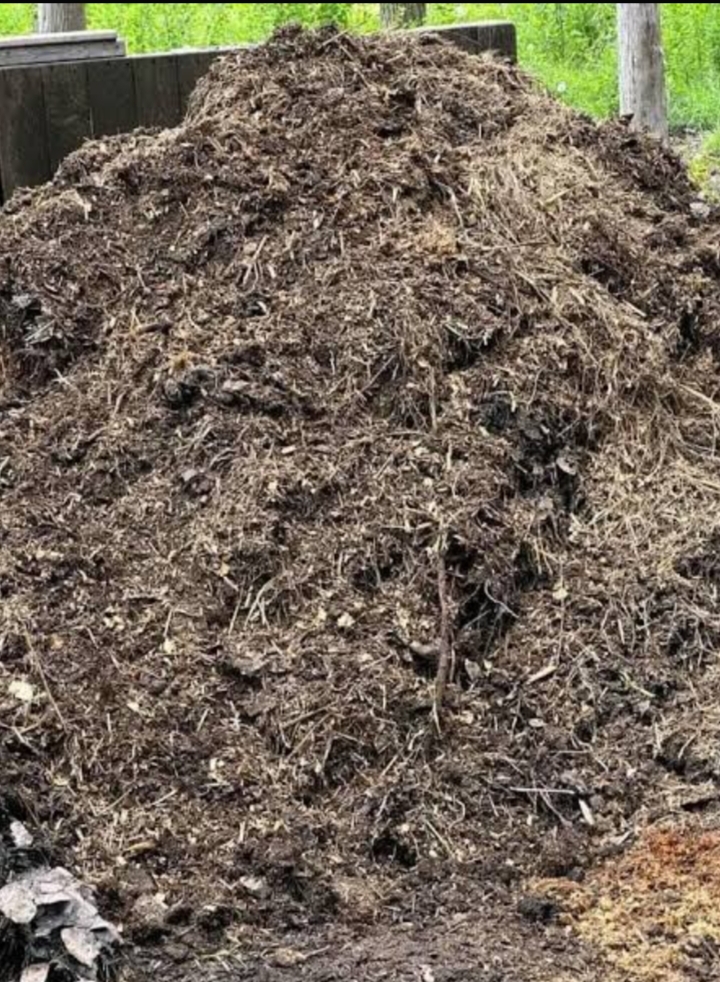
Poultry manure is widely recognized as an excellent organic fertilizer because it contains high levels of essential plant nutrients such as nitrogen, phosphorus, and potassium. When used correctly, it can improve soil fertility, enhance soil structure, and increase crop productivity. However, applying fresh poultry manure directly to crops can cause serious damage. To maximize its benefits and avoid harming plants, poultry manure should be properly cured before application.
The Danger of Using Fresh Poultry Manure
Fresh poultry droppings contain high concentrations of ammonia and soluble salts. When these substances come into direct contact with plant roots or seedlings, they can cause “fertilizer burn,” leading to wilting, yellowing leaves, poor growth, or even plant death. In addition, fresh manure may harbor disease-causing microorganisms and produce unpleasant odors.
As fresh manure decomposes, it generates heat and releases gases that can stress plants. These characteristics make untreated poultry manure unsuitable for immediate use in crop production.
Understanding the Curing Process
Curing poultry manure is the process of allowing it to decompose and stabilize before it is added to the soil. During this period, harmful ammonia levels decline, organic materials break down, and nutrients become available in forms that are safer for plants. The process also reduces the presence of pathogens and minimizes offensive odors.
Steps for Properly Curing Poultry Manure
Create a Compost Heap
Collect poultry manure and mix it with bedding materials such as straw, sawdust, wood shavings, or rice husks. Pile the mixture in a designated composting area.
Control Moisture Levels
Maintain adequate moisture throughout the pile. The material should be damp but not excessively wet. Too much water can slow decomposition and create anaerobic conditions.
Turn the Pile Frequently
Turning the manure pile every one or two weeks introduces oxygen and promotes faster, more uniform decomposition. It also helps distribute heat evenly throughout the compost.
Allow Sufficient Time for Decomposition
Depending on environmental conditions, curing may take between one and three months. Properly cured manure will have a dark color, a crumbly texture, and a mild earthy smell rather than a strong ammonia odor.
Protect the Finished Product
Store cured manure in a covered area to preserve nutrients and prevent rainwater from washing them away.
Advantages of Cured Poultry Manure
Prevents Crop Injury
The curing process lowers the risk of root damage and fertilizer burn by reducing ammonia and salt concentrations.
Enhances Soil Fertility
Cured manure supplies nutrients gradually, ensuring a more sustained source of nourishment for crops.
Improves Soil Quality
Organic matter from decomposed manure helps improve soil structure, moisture retention, drainage, and biological activity.
Reduces Health Risks
Composting temperatures can eliminate many harmful pathogens, making the manure safer to handle and apply.
Promotes Environmental Sustainability
Well-cured manure is less likely to contribute to nutrient runoff, groundwater pollution, or excessive ammonia emissions.
Recommendations for Farmers
- Use only well-cured poultry manure in crop fields.
- Incorporate manure into the soil before planting.
- Apply recommended rates based on crop requirements and soil test results.
- Store manure properly to prevent nutrient losses.
- Keep manure away from streams, ponds, and other water sources.
Final Thoughts
Poultry manure is a valuable agricultural resource, but it must be managed carefully. Applying fresh manure can damage crops and create environmental concerns, while properly cured manure provides a safe and effective source of plant nutrients. Farmers who take the time to cure poultry manure before application can improve soil health, protect their crops, and achieve better yields in a sustainable manner.