
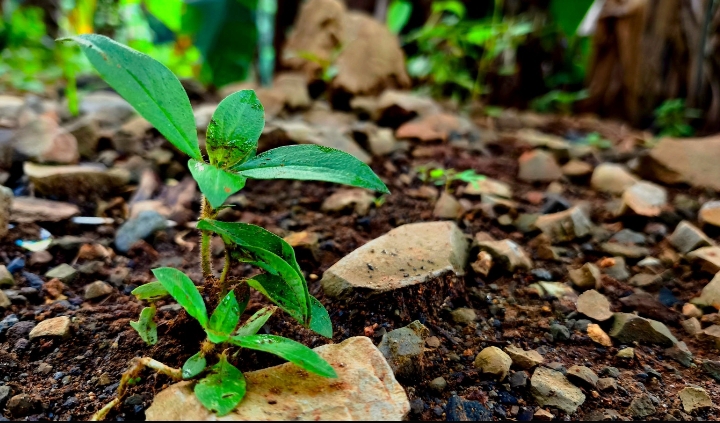
Agriculture in rocky soil regions is often difficult because the land contains many stones, shallow soil layers, and low water-holding capacity. These conditions make it harder for crops to establish strong roots and for farmers to use standard farming tools. However, with proper techniques and crop selection, productive farming is still achievable.
What Characterizes Rocky Soil
Rocky soils are made up of a mixture of stones and thin soil layers. This creates several limitations for farming, such as:
- Poor ability to retain water, leading to quick drying
- Restricted root development due to hard or shallow ground
- Difficulty using tractors or other machinery
- Naturally low soil fertility in many cases
- Increased effort required for land preparation
Even with these constraints, agriculture can still succeed with the right approach.
Crops That Grow Well in Rocky Soils
Some crops are better suited to tough soil conditions and can survive where others struggle. Examples include:
- Millets (such as sorghum and pearl millet), which tolerate dry and poor soils
- Cassava, which grows in low-fertility land
- Yams, which adapt well to uneven ground
- Groundnuts (peanuts), which can improve soil nutrients
- Olive trees, known for thriving in dry, rocky environments
- Fodder crops like guinea grass, useful in mixed farming systems
Deep-rooted and hardy crops generally perform better than delicate vegetables.
Farming Techniques for Rocky Terrain
1. Clearing and improving the land
Large rocks are removed manually or with tools where possible. In some cases, farmers adapt by working around stones or preparing smaller planting zones.
2. Terracing sloped land
On hillsides, terracing helps create flat steps for planting. This also reduces soil erosion and improves water retention.
3. Enhancing soil quality
Adding organic materials like compost, animal manure, or decomposed plant matter helps improve fertility and moisture retention.
4. Raised planting beds
Raised beds provide better control over soil conditions and help reduce the impact of stones beneath the surface.
5. Using mulch cover
Applying mulch such as leaves or straw helps keep moisture in the soil and protects it from excessive heat.
6. Efficient irrigation systems
Drip irrigation is especially useful in rocky areas because it delivers water slowly and directly to plant roots, reducing waste.
Soil and Water Conservation Practices
Because rocky regions are prone to erosion, conservation methods are essential:
- Stone barriers to slow down water flow
- Planting cover crops to protect exposed soil
- Farming along natural contours of the land
- Small dams or water-holding structures to capture rainfall
These strategies help maintain soil stability and improve productivity over time.
Main Difficulties in Rocky Soil Farming
Farmers in these environments often face:
- High labor demands for clearing and preparing land
- Limited use of farming machinery
- Naturally low soil fertility
- Water shortages in dry regions
- Slower crop development compared to fertile soils
Advantages and Opportunities
Despite the challenges, rocky soil farming has its benefits:
- Less competition for land use
- Suitable conditions for organic farming
- Good environment for drought-resistant crops
- Integration with livestock such as goats and sheep
- Potential for agroforestry systems combining trees and crops
Conclusion
Farming in rocky soil areas is challenging but possible with the right strategies. Techniques such as terracing, soil enrichment, careful crop selection, and efficient water use can gradually improve productivity and turn difficult land into usable farmland.