Introduction
Integrated farming is an agricultural approach where crop production, animal husbandry, and fish farming are combined within a single system. The goal is to make better use of available resources, improve overall productivity, and support environmentally friendly farming practices. In this system, the different components support one another through the reuse of by-products and natural resources.
How the System Functions
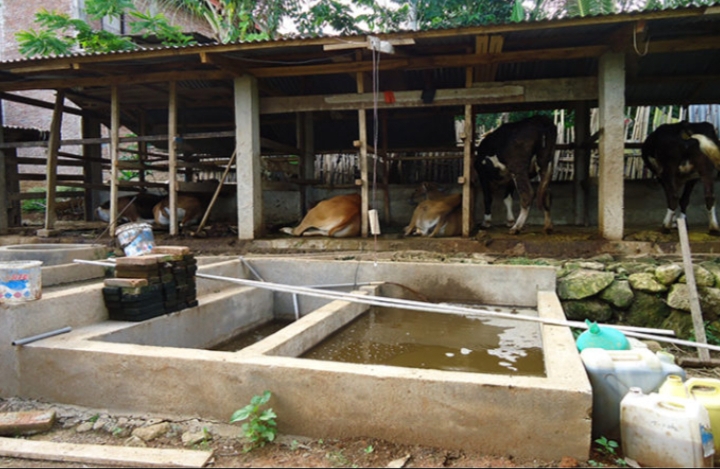
In an integrated setup, crops, livestock, and fish are interconnected in a mutually beneficial cycle. Crop residues like stalks and leaves can be used as feed for animals. In return, livestock produce manure that can fertilize crops or be used to enrich fish ponds. Water from fish ponds, which contains nutrients, can also be used to irrigate crops, reducing waste and improving efficiency.
Advantages of Integrated Farming
A key advantage of integrated farming is higher productivity from multiple income sources. Farmers are not dependent on a single type of production, so income becomes more stable and diversified. If one enterprise underperforms, others can help balance overall earnings.
It also helps reduce production expenses. Farmers can reuse waste materials such as animal manure and crop residues instead of purchasing external inputs like chemical fertilizers and commercial feeds. This makes the system more cost-effective.
Another benefit is improved soil quality. Organic waste from animals increases soil nutrients and supports healthier crop growth. The system also promotes better use of water and nutrients through recycling within the farm environment.
Environmental Benefits
Integrated farming supports sustainable agriculture by reducing waste and encouraging recycling of natural resources. It lowers dependence on chemical fertilizers and reduces pollution. The combination of different farming activities also enhances biodiversity and helps maintain ecological balance.
In addition, the system increases resilience against environmental and economic risks by diversifying farm production.
Challenges
Although beneficial, integrated farming requires good planning and technical knowledge. Farmers must understand how to manage crops, animals, and fish simultaneously. The setup costs for infrastructure such as ponds, shelters, and irrigation systems can also be high.
Another challenge is disease control, as poor management can lead to the spread of infections between different farm components. Proper monitoring and hygiene practices are therefore essential.
Conclusion
Integrated farming, which combines crops, livestock, and fish production, is a sustainable and efficient agricultural system. It improves productivity, reduces costs, and promotes environmental health through resource recycling. While it requires skill and planning, it remains a strong approach for achieving long-term agricultural sustainability and food security.