
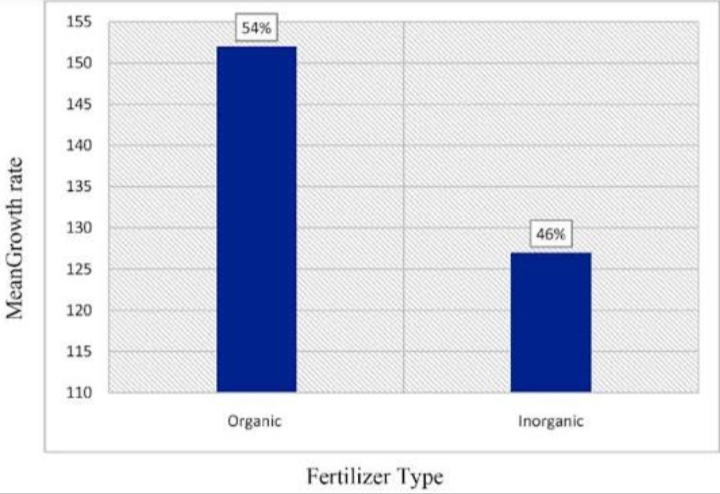
Fertilizers are a key factor in improving soil fertility and boosting agricultural productivity. Farmers usually choose between organic fertilizers, which come from natural sources, and inorganic fertilizers, which are chemically manufactured. Each type affects production costs, crop yield, soil condition, and long-term farm sustainability in different ways.
Understanding these differences helps farmers select the most suitable option based on their resources and production goals.
What Are Organic Fertilizers?
Organic fertilizers are derived from natural materials such as plant and animal waste. They release nutrients gradually as they break down and also improve the physical condition of the soil.
Examples Include:
- Animal manure
- Compost materials
- Green manure crops
- Bone-based fertilizers
- Poultry waste
What Are Inorganic Fertilizers?
Inorganic fertilizers are synthetic nutrient sources produced industrially. They provide plants with concentrated nutrients that are quickly available for absorption, making them widely used in modern farming.
Examples Include:
- Urea (nitrogen source)
- NPK blends (nitrogen, phosphorus, potassium)
- Ammonium-based fertilizers
- Phosphate fertilizers
Cost Comparison
Organic Fertilizers
- Often cheaper if sourced locally
- May involve higher labor costs for preparation and application
- Transportation can be costly due to bulky materials
- Generally more affordable for small or subsistence farms
Inorganic Fertilizers
- Higher purchase price per unit
- Easy to store and apply in small quantities
- Requires less labor during application
- Can become costly with repeated use over time
Overview: Organic fertilizers may reduce cash spending but increase labor demand, while inorganic fertilizers involve higher direct costs but lower handling effort.
Yield Comparison
Organic Fertilizers
- Release nutrients slowly over time
- Enhance soil fertility in the long run
- May result in moderate yields initially
- Performance improves with continuous use
Inorganic Fertilizers
- Provide nutrients quickly to crops
- Encourage rapid plant growth
- Often lead to higher short-term yields
- Require proper management to prevent soil damage
Overview: Inorganic fertilizers generally boost immediate yields, while organic fertilizers support gradual but lasting productivity gains.
Impact on Soil Health
Organic Fertilizers
- Improve soil texture and structure
- Increase organic matter and microbial activity
- Support long-term soil fertility
- Reduce soil degradation risk
Inorganic Fertilizers
- Do not contribute organic matter
- Can cause soil acidity if overused
- May reduce soil microbial diversity when misapplied
- Require balanced usage for sustainability
Environmental Effects
Organic fertilizers are usually more environmentally sustainable, as they recycle natural waste and reduce pollution risks. In contrast, excessive use of inorganic fertilizers can contribute to water contamination and environmental imbalance if not properly managed.
Long-Term Productivity
Organic fertilizers enhance soil health gradually, making them suitable for long-term sustainability. Inorganic fertilizers support fast production increases but require careful management to maintain soil quality over time.
Which One Is Better?
The best option depends on farming objectives:
Organic Fertilizers Are Ideal For:
- Sustainable farming systems
- Soil restoration and long-term improvement
- Small-scale or low-input agriculture
- Organic food production
Inorganic Fertilizers Are Ideal For:
- High-yield commercial farming
- Fast crop growth requirements
- Large-scale production systems
- Intensive farming operations
Conclusion
Both organic and inorganic fertilizers are important in agriculture, each offering distinct advantages. Organic fertilizers improve soil health and support sustainability over time, while inorganic fertilizers deliver quick nutrient availability and higher immediate yields. Many farmers achieve the best results by combining both approaches in a balanced nutrient management system that supports both productivity and soil conservation.