
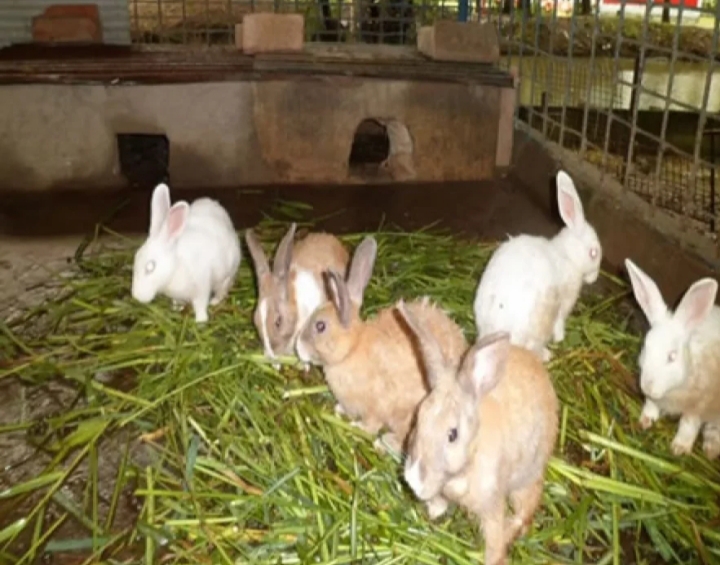
While poultry, fish farming, and cattle rearing often dominate discussions about profitable livestock ventures, rabbit farming remains one of the most overlooked sectors in agriculture. Despite receiving less attention, this enterprise offers impressive potential for farmers seeking a low-cost, scalable, and sustainable business.
Often described as a hidden gem in livestock production, rabbit farming combines fast reproduction, modest space requirements, and multiple income opportunities, making it an attractive option for both beginners and experienced agripreneurs.
Why Rabbit Farming Deserves More Attention
Rabbit farming is gradually gaining recognition due to its accessibility and efficiency. Rabbits are relatively easy to raise, require limited space, and can adapt to a variety of farming systems.
Unlike larger livestock that demand significant land and capital investment, rabbits can be raised successfully in small backyard setups, semi-commercial operations, or full-scale farms.
This flexibility makes rabbit production appealing to individuals looking to enter agriculture without substantial startup costs.
High Reproductive Capacity
One of the strongest advantages of rabbit farming is the animals’ ability to multiply rapidly.
A single female rabbit can produce several litters annually, allowing farmers to increase their stock within a short period. This rapid breeding cycle provides an opportunity to scale operations faster than many traditional livestock enterprises.
For farmers focused on expansion and continuous production, rabbits offer a significant advantage.
Affordable Startup Requirements
Compared to many livestock ventures, rabbit farming can be started with a relatively modest budget.
Basic necessities include:
- Healthy breeding rabbits
- Secure cages or hutches
- Feeding and watering systems
- Proper sanitation and ventilation
Because infrastructure costs are generally lower, many aspiring farmers find rabbit farming to be an accessible entry point into agribusiness.
Efficient Feed Utilization
Rabbits are known for their ability to convert feed into growth efficiently.
Their diet can include:
- Commercial rabbit feed
- Fresh forage and grasses
- Vegetable trimmings
- Certain agricultural by-products
This feeding flexibility can help reduce operational expenses and improve overall profitability when managed correctly.
Multiple Revenue Opportunities
Rabbit farming offers more than just meat production. Farmers can diversify their income through several channels.
Meat Production
Rabbit meat is lean, nutritious, and rich in protein. As consumer interest in healthier protein sources increases, rabbit meat continues to attract attention in various markets.
Sale of Breeding Stock
Experienced farmers can sell quality breeding rabbits to newcomers and expanding farms, creating an additional source of revenue.
Organic Fertilizer
Rabbit manure is highly valued by crop farmers due to its nutrient content and ease of use as an organic soil amendment.
Pet Industry
Certain rabbit breeds are popular among pet owners, creating opportunities within the companion animal market.
Ideal for Small Spaces
One reason rabbit farming is often referred to as a “silent” agribusiness is its suitability for confined spaces.
Rabbits:
- Require relatively little land
- Produce minimal noise
- Can be raised in urban and peri-urban environments
- Fit well into backyard farming systems
This makes rabbit production particularly attractive to people with limited access to farmland.
Challenges Farmers Should Expect
Like any farming venture, rabbit production comes with its own set of risks and management requirements.
Common challenges include:
- Disease prevention and control
- Heat management in warm climates
- Maintaining proper hygiene
- Securing reliable markets
- Managing breeding programs effectively
Success depends on proper planning, consistent care, and strong management practices.
Tips for New Rabbit Farmers
Before starting a rabbit farm, consider the following recommendations:
- Purchase healthy breeding stock from reputable sources.
- Provide clean and well-ventilated housing.
- Learn basic rabbit health and disease management.
- Develop a consistent feeding schedule.
- Research market opportunities in your area.
- Keep detailed production and financial records.
Beginning with a small operation can help reduce risk while allowing you to gain valuable experience.
Can Rabbit Farming Be Profitable?
Rabbit farming has the potential to generate attractive returns when managed efficiently. Fast reproduction rates, relatively low production costs, and multiple income streams create favorable conditions for profitability.
However, success depends on factors such as market demand, feed costs, mortality rates, and overall farm management.
Farmers who focus on quality production and market development are often in the best position to maximize returns.
Final Thoughts
Rabbit farming may not receive the same level of attention as other livestock enterprises, but its potential is difficult to ignore. With low startup barriers, efficient production cycles, limited space requirements, and diverse income opportunities, it represents a practical and scalable agribusiness option.
For aspiring farmers and entrepreneurs looking for an affordable livestock venture with room for growth, rabbit farming stands out as one of agriculture’s most underrated opportunities a quiet but promising business with significant long-term potential.