Crop diseases can have a serious impact on agricultural productivity, reducing both yield and crop quality. Identifying disease symptoms early allows farmers to take corrective measures before infections spread and cause significant damage. Regular crop monitoring is essential for maintaining healthy plants and ensuring a successful harvest.
Unusual Yellowing of Leaves
Yellow leaves are not always caused by nutrient deficiencies. In many cases, widespread or irregular yellowing may indicate a disease affecting the plant. If the discoloration continues to spread or appears alongside other symptoms, it could be a sign of fungal, bacterial, or viral infection.
Early investigation can help prevent the disease from affecting larger areas of the field.
Spots and Marks on Leaves
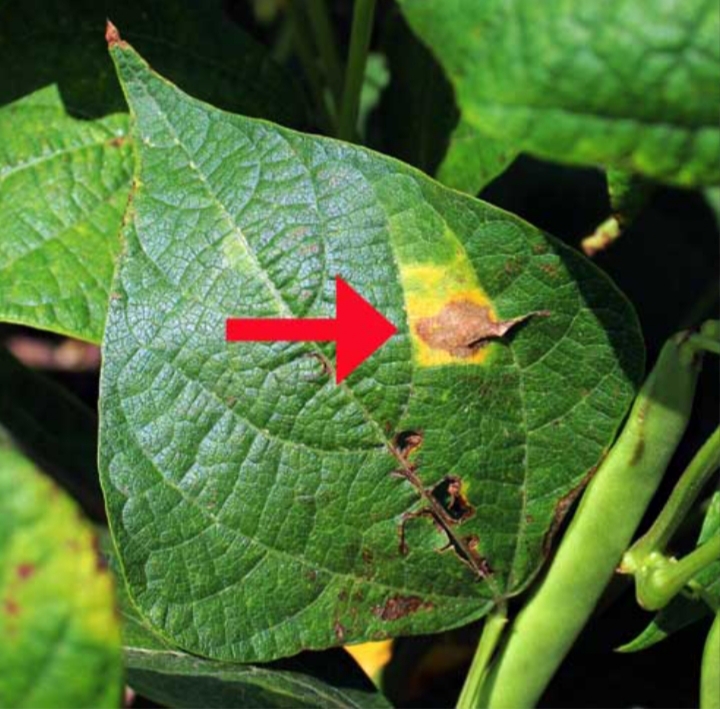
The appearance of dark, brown, yellow, or reddish spots on leaves is often one of the earliest indicators of disease. These blemishes may gradually increase in size and number, causing leaves to weaken and die.
Prompt action can help limit the spread of infection and protect healthy plants.
Wilting in Well-Watered Crops
When plants begin to wilt despite receiving adequate moisture, a disease may be interfering with their internal water transport system. Root and stem infections often block the movement of water and nutrients, causing plants to droop and weaken.
Persistent wilting should not be ignored, as it may signal a serious problem.
Reduced Growth and Development
Plants that remain smaller than expected or fail to develop normally may be suffering from disease. Certain pathogens attack roots or disrupt plant functions, resulting in poor growth and lower yields.
Comparing affected plants with healthy ones can help identify potential issues early.
Visible Fungal Growth
Powdery substances, mold, or fuzzy growth on leaves, stems, or fruits are common signs of fungal infections. These diseases often spread rapidly in warm and humid environments.
Addressing fungal problems quickly can help prevent extensive damage across the crop.
Root and Stem Damage
Discoloration, soft tissues, or signs of decay in roots and stems may indicate infection. Because roots play a critical role in nutrient and water uptake, diseases affecting them can seriously weaken plants.
Routine inspections can help detect these issues before they become widespread.
Abnormal Plant Parts
Curled leaves, distorted fruits, malformed flowers, or unusual growth patterns can be symptoms of viral or other plant diseases. Such abnormalities may reduce crop quality and lower market value.
When these signs appear in multiple plants, further assessment is necessary to identify the cause.
Early Leaf Shedding
Premature leaf loss can reduce a plant’s ability to produce energy, ultimately affecting growth and productivity. Disease-related leaf drop is often accompanied by spotting, discoloration, or other signs of infection.
Identifying the underlying problem quickly can help protect the crop.
Fruit Deterioration
Rotting, discoloration, cracking, or soft patches on fruits are serious symptoms that require immediate attention. Diseases affecting fruits can spread rapidly and lead to substantial economic losses.
Removing infected produce and implementing control measures can help contain the problem.
Unexpected Plant Collapse
A sudden decline or death of plants, especially when several plants are affected at once, often points to a severe disease outbreak. Root rot, stem infections, and aggressive pathogens can quickly destroy crops if left unchecked.
Immediate diagnosis and treatment are essential to prevent further spread.
Reducing the Risk of Crop Diseases
Preventive measures are key to maintaining healthy crops. Farmers can lower disease risks by practicing crop rotation, maintaining field hygiene, using resistant varieties, monitoring crops frequently, and ensuring proper plant spacing.
Combining prevention with early detection can significantly reduce crop losses.
Conclusion
Being alert to disease symptoms is crucial for protecting crops and maximizing yields. Signs such as yellowing leaves, leaf spots, wilting, fungal growth, fruit damage, and abnormal plant development should be taken seriously. By identifying and addressing these problems early, farmers can improve plant health, minimize losses, and achieve more productive harvests.