
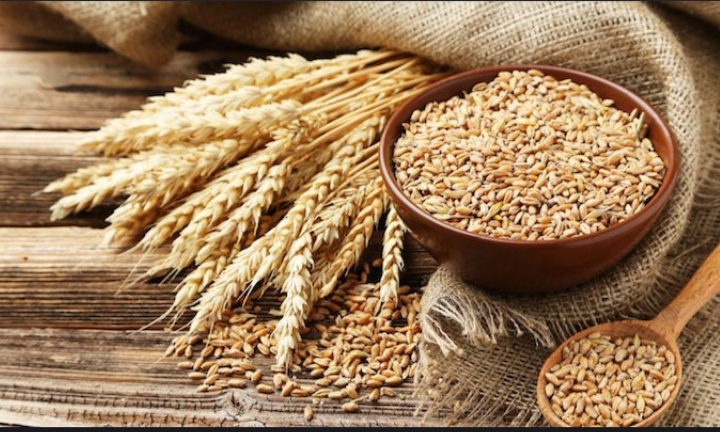
Wheat is a vital food crop used in the production of bread, noodles, pasta, biscuits, and many other everyday food products. As the consumption of wheat-based foods continues to increase in Nigeria, the demand for wheat has grown significantly. However, local production is still unable to meet the country’s needs, resulting in heavy reliance on imports. This has sparked interest among farmers and investors who want to know whether wheat farming can be a profitable and sustainable business in Nigeria.
Rising Demand Creates Market Opportunities
Nigeria is among the largest consumers of wheat in Africa. The country’s expanding population and growing food-processing industry have increased the need for wheat supplies. Since local farmers produce only a fraction of the wheat required by flour mills and manufacturers, there is a substantial gap between supply and demand.
This shortage presents a potential business opportunity for farmers willing to invest in wheat cultivation and contribute to reducing import dependence.
Favorable Areas for Wheat Production
Wheat grows best in cool and relatively dry environments. In Nigeria, cultivation is concentrated mainly in the northern regions, where climatic conditions are more suitable. States such as Kano, Kebbi, Jigawa, Kaduna, Sokoto, and Zamfara are known for wheat production.
Because wheat is commonly grown during the dry season, access to irrigation is crucial. Farmers with reliable water sources generally achieve better harvests and improved productivity.
Profitability Potential
Under proper management, wheat farming can generate attractive returns. Strong market demand and the willingness of flour mills to source local wheat create opportunities for farmers to earn income from the crop. Government efforts to boost domestic production have also increased awareness and support for wheat cultivation.
As Nigeria seeks to strengthen food security and reduce import bills, locally produced wheat is becoming increasingly valuable.
Key Challenges to Consider
Despite its potential, wheat farming comes with several challenges. Irrigation systems can be expensive to install and maintain, especially for small-scale farmers. Access to quality seeds, fertilizers, machinery, and agricultural financing may also be limited in some areas.
Additionally, factors such as pest infestations, plant diseases, fluctuating input costs, and changing weather conditions can affect yields and profitability.
Support from Government and Stakeholders
Various agricultural programs have been introduced to encourage wheat production across Nigeria. These initiatives often provide improved seed varieties, training, technical assistance, and support services aimed at increasing productivity.
Collaboration between farmers, government agencies, research institutions, and flour-processing companies is also helping to create a stronger wheat industry.
How Farmers Can Improve Success Rates
Farmers interested in wheat cultivation should adopt modern agricultural techniques to maximize output. This includes using certified seeds, applying fertilizers correctly, maintaining effective irrigation systems, and implementing proper pest and disease management practices.
Participation in cooperatives and farmer associations can also improve access to credit facilities, training opportunities, and better market connections.
Conclusion
Wheat farming offers significant opportunities in Nigeria due to the country’s high consumption levels and growing demand for locally produced wheat. Although challenges such as irrigation requirements, production costs, and environmental factors exist, farmers who use improved farming methods and take advantage of available support programs can achieve positive results. With continued investment and policy support, wheat cultivation has the potential to become a more productive and profitable segment of Nigeria’s agricultural sector.